Rupin Pass Trek 2026 – Itinerary, Cost, Best Time & Guide
A complete guide to the Rupin Pass Trek 2026 covering itinerary, cost, best time, difficulty, altitude, route, fitness, packing, safety and preparation for this spectacular Himalayan crossover trek.
The Rupin Pass Trek is a thrilling high-altitude adventure in the Indian Himalayas, known for waterfalls, mountain villages, forests, snowfields and scenery that seems to change almost every day.
Rupin Pass rises to approximately 15,250 feet and connects the Rupin Valley region with the beautiful Sangla Valley of Himachal Pradesh. Unlike many Himalayan treks that follow an out-and-back route, Rupin Pass is a true crossover journey.
If you are planning the Rupin Pass Trek in 2026, this Himadri Treks guide covers the itinerary, difficulty, altitude, best time, trek route, cost, preparation, safety and other essential details you should understand before departure.
Why Is Rupin Pass Trek So Famous?
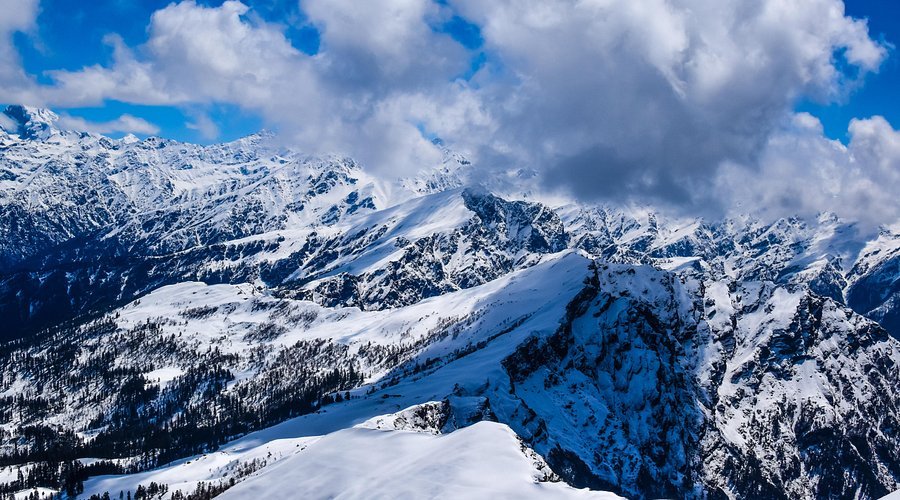
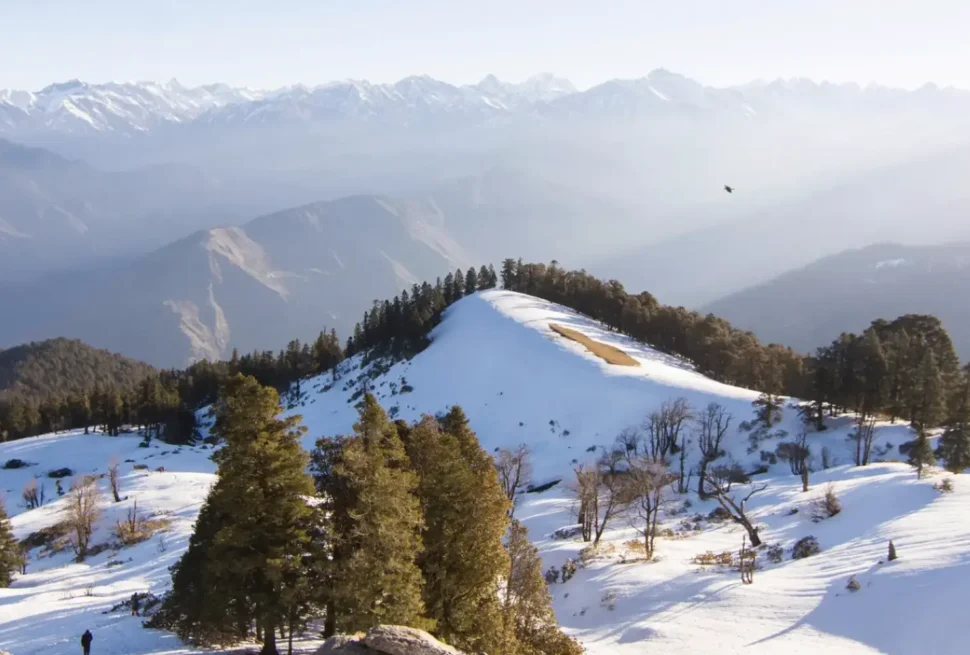
Rupin Pass is famous for the incredible variety of landscapes encountered during a single trek.
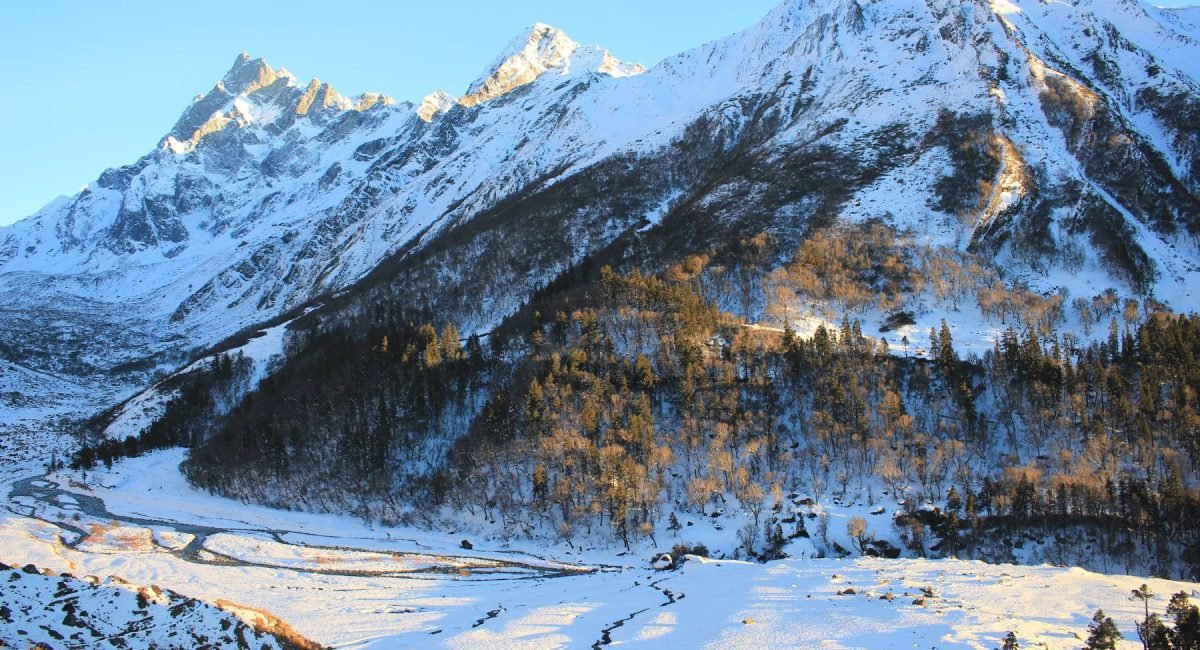
The route passes through Himalayan villages, forests, river valleys, waterfalls, meadows, rocky trails and wide snowfields before eventually climbing toward the high mountain pass.
Rupin Waterfall
One of the most recognizable highlights of the trek, surrounded by dramatic cliffs and mountain terrain.
Changing Landscapes
Forests, villages, rivers, snowfields and rocky alpine terrain appear throughout the journey.
Pass Crossing
Crossing Rupin Pass at approximately 15,250 ft creates a genuine high-altitude trekking experience.
One of the biggest attractions is the Rupin Waterfall. As trekkers climb higher through the valley, the waterfall becomes an impressive landmark surrounded by steep mountain walls.
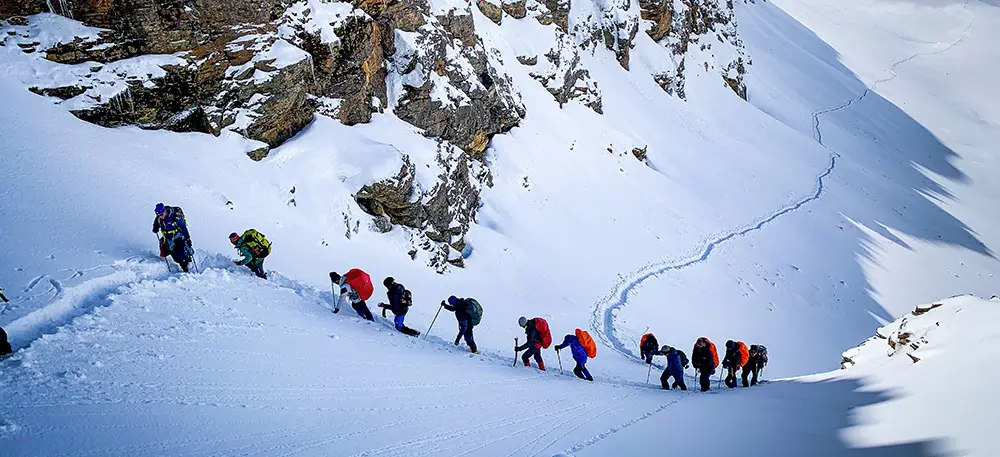
The final climb toward Rupin Pass changes the character of the trek again. Snowy slopes, exposed terrain and wide Himalayan views make the crossing one of the most memorable sections of the journey.
Rupin Pass Trek Itinerary 2026
The exact Rupin Pass itinerary can vary according to weather, trail conditions, road access, campsite availability and local regulations.
Most itineraries take approximately 7 to 8 days.
Arrival at the Base Region
Begin with a scenic drive into the Himalayan region. After reaching the base, meet the trek team, attend the trek briefing and prepare your equipment.
Begin the Rupin Valley Trek
The first trekking day introduces you to the Rupin Valley through villages, agricultural fields and sections overlooking the Rupin River.
Trek Deeper into the Rupin Valley
The surroundings become increasingly wild as the trail moves away from the lower settlements through forests, river sections, waterfalls and mountain cliffs.
Trek Towards the Upper Rupin Valley
Climb toward higher camps as the vegetation begins thinning and the surrounding mountain walls become increasingly dramatic.
Acclimatization / Upper Waterfall Camp
Depending on the itinerary, this day may involve an acclimatization walk or further ascent toward a higher campsite surrounded by alpine terrain and snowfields.
Upper Camp to Rupin Pass Base
Continue toward the base of Rupin Pass through some of the most dramatic high-altitude scenery of the trek.
Rupin Pass Crossing – Approx. 15,250 ft
The most demanding day begins early with a steady climb toward Rupin Pass. Depending on conditions, trekkers may encounter steep snow, rocky sections or loose mountain terrain.
After reaching the pass, begin the descent toward the Sangla side. The descent can be steep and requires controlled, careful movement.
Descend Towards Sangla Valley
Complete the final trekking section and descend into the beautiful Sangla Valley of Himachal Pradesh.
Starting villages, campsites and daily routes can change between seasons because of road access, permissions, weather and trail conditions. Always check the confirmed 2026 itinerary before booking.
Rupin Pass Trek Route
The route gradually moves through the Rupin Valley, climbs toward the upper waterfall and high-altitude camps, crosses Rupin Pass at approximately 15,250 feet and then descends toward Sangla Valley.
Rupin Pass Trek Difficulty
The Rupin Pass Trek is generally considered moderate to difficult.
It is considerably more demanding than beginner Himalayan treks because of large altitude gains, long trekking days, steep terrain and the challenging pass-crossing day.
What Makes Rupin Pass Difficult?
Previous trekking experience is highly useful. A very fit beginner with proper training may be able to attempt the trek under experienced leadership, but Rupin Pass should not be treated as an easy introductory trek.
Rupin Pass Trek Best Time
The main trekking windows are generally May–June and September–October, depending on snow, weather, trail conditions and local access.
Snow Experience
Higher sections may retain significant snow while lower valleys remain greener.
Longer Days
A popular trekking period with comparatively longer daylight and possible snow at higher elevations.
Clear Autumn Views
Post-monsoon landscapes, clearer views and colder autumn conditions.
Rupin Pass Trek in May
May can bring substantial snow at higher elevations, while lower sections may remain greener and comparatively warmer.
Rupin Pass Trek in June
June often provides good trekking conditions, although snow may still remain higher on the route depending on the season.
Rupin Pass Trek in September
Post-monsoon landscapes can appear exceptionally fresh, with clearer mountain views and greener slopes.
Rupin Pass Trek in October
October brings crisp autumn conditions, colder nights and the need for stronger cold-weather preparation at higher camps.
Rupin Pass Trek Cost 2026
The final Rupin Pass Trek cost in 2026 can vary according to trek operator, group size, transportation, accommodation, permits, equipment and package inclusions.
Compare What Is Included, Not Only the Lowest Price
High-altitude trek packages can differ significantly in safety arrangements, transportation, equipment and support services.
Important Things to Compare
Fitness Required for Rupin Pass Trek
Good physical preparation is essential for Rupin Pass. Begin training several weeks before your departure.
Cardiovascular Training
Running, jogging, cycling, swimming and brisk uphill walking can help improve cardiovascular endurance.
Strength Training
Focus on the legs, glutes, core and lower back. Squats, lunges, step-ups and stair climbing can be particularly useful.
Endurance Training
Include longer walks or hikes while carrying a light backpack to prepare your body for multiple hours on the trail.
Rupin Pass Trek Temperature
Temperatures vary significantly according to elevation, season, cloud cover, wind and weather systems.
Lower areas can feel relatively comfortable during daytime, while temperatures at higher camps can fall quickly after sunset.
Near Rupin Pass, trekkers should be prepared for below-freezing conditions during colder weather and strong wind chill.
Weather can change quickly at altitude. Carry a proper layering system even when the initial forecast appears favorable.
What to Pack for Rupin Pass Trek
Proper equipment is particularly important on a high-altitude crossover trek.
Essential Layers
Trek Equipment
Altitude Sickness on Rupin Pass Trek
Because Rupin Pass reaches approximately 15,250 feet, altitude illness is an important consideration.
Never hide altitude-related symptoms from your trek leader. Proper acclimatization, hydration and controlled ascent are important parts of high-altitude trekking.
Serious symptoms require appropriate action, which can include descent and professional medical attention.
Is Rupin Pass Trek Suitable for Beginners?
Rupin Pass is not generally recommended as a first trek for someone with poor fitness or no understanding of high-altitude trekking.
A physically fit beginner who has trained properly may be able to attempt the trek with an experienced trekking team, depending on route and current conditions.
“Completing one or two easier Himalayan treks first can provide valuable experience with altitude, mountain weather, camping and long trekking days.
Why Choose Rupin Pass Trek?
A True Himalayan Journey
Enter through one mountain region and finish in another instead of returning along the same trail.
One of the Trek's Signature Landscapes
The waterfall and surrounding mountain walls create one of the most dramatic sections of the route.
Different Terrain Almost Every Day
Villages, forests, rivers, meadows, snowfields and rocky high-altitude terrain combine in one journey.
Rupin Pass at Approx. 15,250 ft
The pass crossing creates a genuine high-altitude challenge for well-prepared trekkers.
Safety Tips for Rupin Pass Trek
A pass crossing should never be treated as more important than safe mountain conditions.
Trek leaders may modify, delay or cancel a crossing when weather, snow or trail conditions are unsafe.
Responsible Trekking on Rupin Pass
Rupin Pass passes through environmentally sensitive Himalayan landscapes, and trekkers should follow responsible trekking practices throughout the journey.
Rupin Pass Trek 2026 FAQs
Rupin Pass reaches approximately 15,250 feet above sea level.
Rupin Pass is generally considered moderate to difficult because of its altitude, long trekking days, steep sections and demanding pass crossing.
The primary trekking windows are generally May–June and September–October, depending on weather, snow and local trail conditions.
Most Rupin Pass itineraries take approximately 7–8 days, although duration varies according to the starting point and route.
Very fit and properly prepared beginners may attempt the trek with professional guidance, but previous Himalayan trekking experience is preferable.
Snow is commonly encountered at higher elevations during parts of the trekking season, particularly on early-season departures. Conditions vary each year.
The crossover route generally descends toward the Sangla Valley region of Himachal Pradesh.
Final Words
The Rupin Pass Trek 2026 is an excellent choice for trekkers searching for something more challenging than a standard Himalayan trail.
Traditional mountain villages, dense forests, the spectacular Rupin Waterfall, alpine terrain, snowfields and the final 15,250 ft pass crossing create one of the most varied trekking journeys in the Indian Himalayas.
The altitude and demanding terrain mean that preparation should never be overlooked. Train before departure, carry appropriate equipment, trek with an experienced team and remain flexible when mountain conditions require itinerary changes.
For trekkers prepared for the challenge, Rupin Pass can be one of the most rewarding Himalayan crossover experiences.
Planning Rupin Pass Trek 2026?
Check the latest batch dates, route conditions, inclusions and booking information before confirming your trek.
Plan Your Rupin Pass Trek →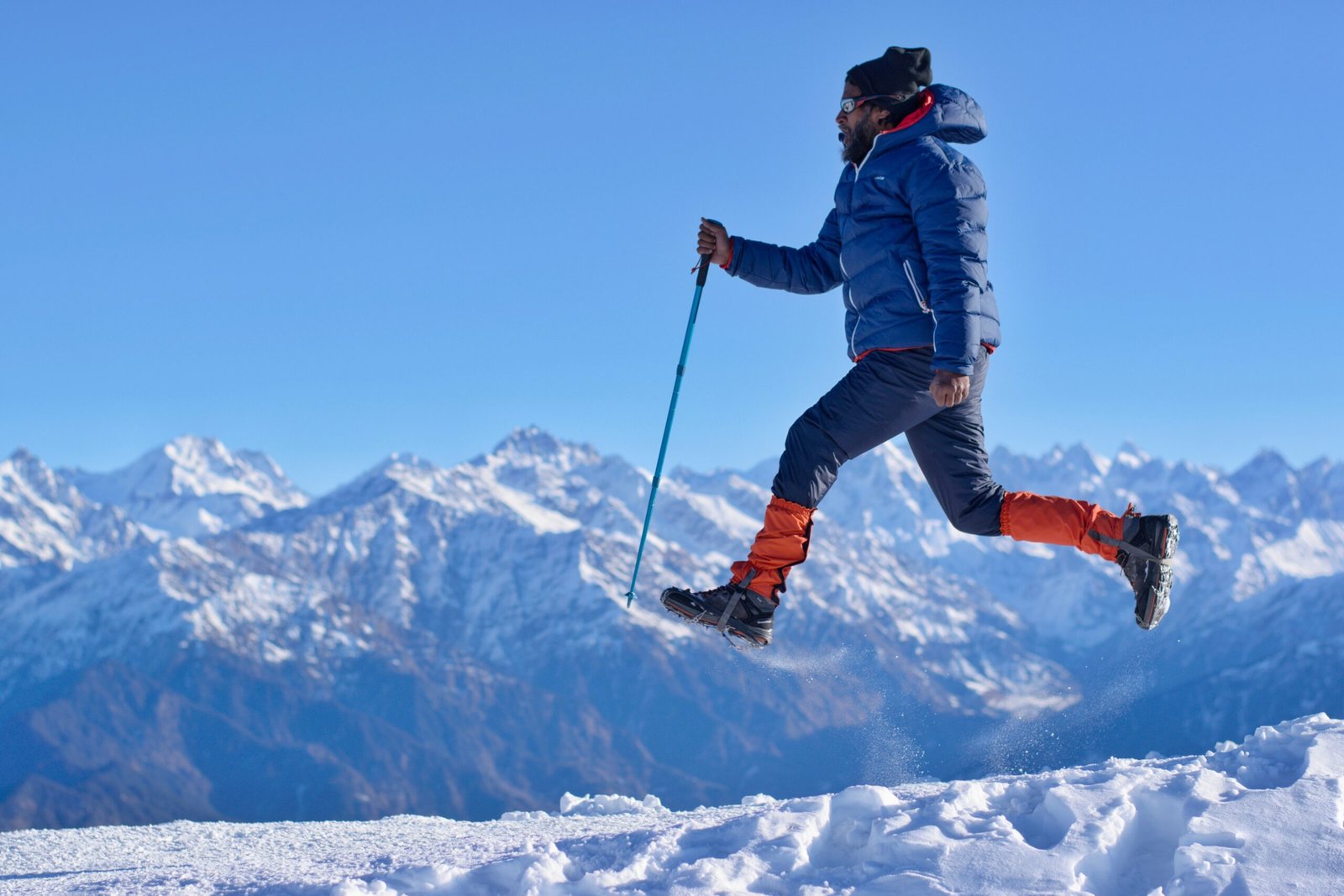 PACKING
 HAR KI DUN
 HIMADRI TREKS