
The It is said that the Valley of Flowers Trek is among the most stunning Himalayan treks, taking visitors deep into the UNESCO World Heritage Site renowned for its scenic beauty and floral variety. It is located within the Chamoli district in Uttarakhand. The valley is transformed into a lively natural landscape during the monsoon, when a myriad of alpine blooms bloom across the meadows. Through Himadri Treks, the adventure is much more than just traversing the mountains. The route is through the rugged Himalayan terrain, in mist-shrouded valleys and dense forests, glacial streams, and vast meadows, surrounded by stunning snow-capped mountains. When you climb up the valley, you could come across beautiful plants like the Brahma Kamal Blue Poppy, the Himalayan Balsam Anemone, and Primula. The scenery changes throughout the blooming season, with various blooms popping up at different dates. Every trip to the Valley of Flowers is a little distinct. On the way, the sounds of the Pushpawati River, cool mountain mist, beautiful wildflowers, and perspectives of the nearby Himalayan mountain ranges create an unforgettable memory that is cherished even after the hike has ended.
Why Is the Valley of Flowers Trek So Special?
The Valley of Flowers Trek with Himadri Treks is more than just a typical Himalayan trek. It is a blend of natural beauty, religion, mythology, and biodiversity, along with adventure, into an unforgettable trip.
A Living Kaleidoscope of Seasonal Flowers
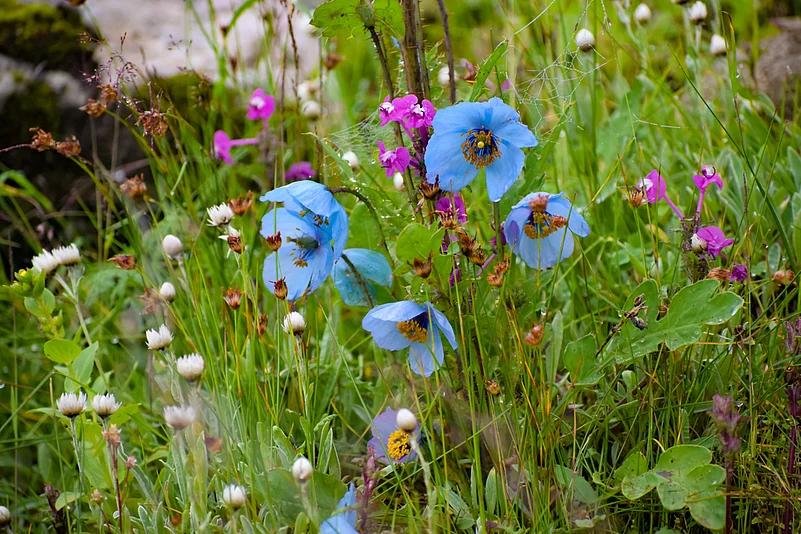
The most amazing aspect of The Valley of Flowers is that its appearance changes with the seasons. In the aftermath of the monsoons, it is a riot of color with alpine blooms. The time you go to the valley, you can see hues of white or yellow. Blue, purple and red are all over the valley floor. Different species flower at different times, so there is no guarantee that every trip will have the same appearance. Each trek gives you the chance to witness a distinct style of this Himalayan scenery.
Mythology, History & Spirituality
It is believed that the Valley of Flowers region is deeply connected to Himalayan mythology and spirituality. According to local beliefs, the region around it is associated with Lord Hanuman's search for the Sanjeevani plant. The legends that surround it have helped to build this region's fame as a sacred, mystical Himalayan area. The proximity of Hemkund Sahib, one of the most renowned Sikh holy sites, adds a spiritual dimension to the experience. The mix of religion, mythology, and the dramatic Himalayan views makes this trip more than just a physical journey. The valley was also made known to the rest of the world when British expedition leader and mountaineer Frank S. Smythe captured it during his 1931 trip, helping reveal its amazing environment to an international audience.
A Unique Botanical Sanctuary in the Himalayas
Valley of Flowers: Valley of Flowers is part of the Nanda Devi Biosphere Reserve. It has been designated as a UNESCO World Heritage Site for its exceptional ecological and natural importance. The valley hosts a wide variety of flowering plants, with a few being rare and unique Himalayan species. Flowers like Brahma Kamal and Blue Poppy are attractions that draw nature-lovers and photographers from around the globe. It is flanked by the high Himalayan mountains, with alpine meadows, streams, and rocky hills. This valley offers the perfect setting for those who are interested in nature, photography, wildlife, and Himalayan ecosystems.
A Trek That Challenges Both Body and Spirit
The Valley of Flowers Trek offers an exciting mix of challenge and adventure. Although the route up to the valley is considered a moderate Himalayan trekking route, the one up to Hemkund Sahib, located at 4,329 m, is more inclined and much more challenging. The climb to the top will test your stamina, but reaching the holy lake, with its majestic Himalayan mountain ranges, makes the trek worth the effort. Through Himadri Treks, this journey is designed to allow trekkers to experience the region's splendor and traverse the shifting Himalayan terrain at a relaxed, well-organized pace.
Pristine Nature & Peaceful Himalayan Surroundings
The Valley of Flowers is a protected national park, safeguarding its ecosystem and animal habitats. There isn't a permanent settlement inside the core valley. Overnight camping in the protected areas is not allowed. The park's regulations must be followed, and you must be out of the valley by the time allowed. The protections are essential to preserving the valley's fragile ecosystem and allowing trekkers to experience a tranquil, natural environment. The meadows are a pleasant walk, and listening to the sounds of flowing rivers, mountains, acoustic winds, and distant Himalayan summits creates an atmosphere of peace that's becoming uncommon in the modern world.
Experience the Valley of Flowers with Himadri Treks
From colorful alpine meadows and unique Himalayan flowers to the tranquil environment, the Valley of Flowers Trek offers the most unforgettable blend of adventure, nature, culture, and spirituality. Through Himadri Treks, you can discover this amazing Himalayan location while enjoying its ever-changing landscapes, spectacular mountain views, and a surprising diversity of sights. Bring your hiking shoes. Get ready for the mountains and prepare to explore Uttarakhand's most breathtaking Himalayan delights.
Valley Of Flowers Trek Itinerary, Route Map & Elevation Chart
This section provides a brief, complete overview of this trek. Valley of Flowers Trek and Himadri Treks cover the daytime route, trek distances, altitudes, and elevation loss and gain. This basic outline provides an overview of the hike, while the full plan gives trekkers a more precise idea of distances between camps, trail conditions, difficulty levels, and campsites. In addition to the route and itinerary, the Valley of Flowers Trek Map provides a detailed description of the trek, nearby villages, forests, rivers, and key camping spots. The map helps trekkers visualize their journey through lush forests, picturesque valleys, beautiful alpine meadows, and the stunning landscapes of the Himalayas. The Valley of Flowers Trek Elevation Chart gives an accurate view of elevation changes throughout the hike, including the altitude gained or lost each day. Understanding these altitude variations helps trekkers prepare physically for acclimatization and travel more easily and safely. Through Himadri Treks, you get a detailed overview of the trail and terrain before embarking on your unforgettable journey through the Valley of Flowers.
Day 1: Drive from Rishikesh (1,200 ft.) to Pipalkoti (4,400 ft.)
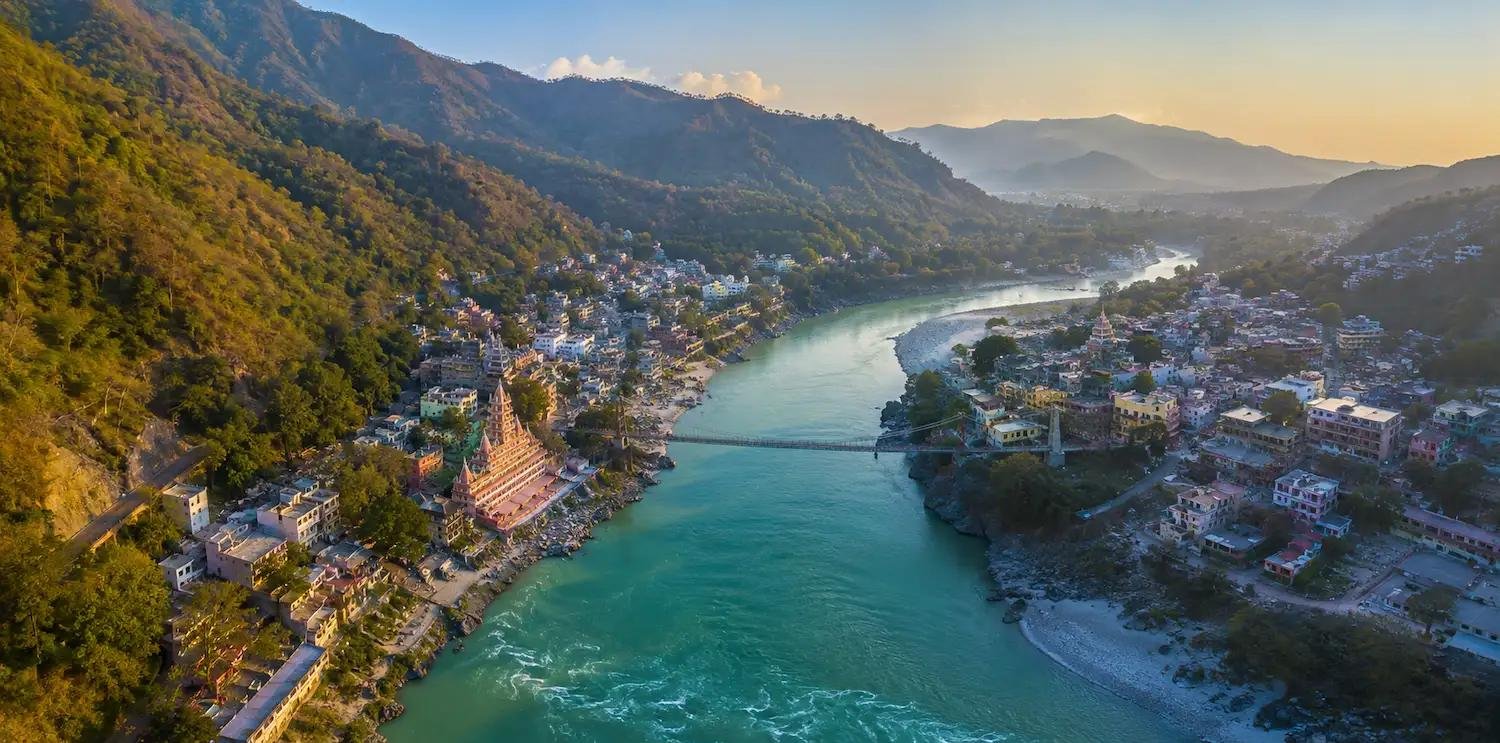
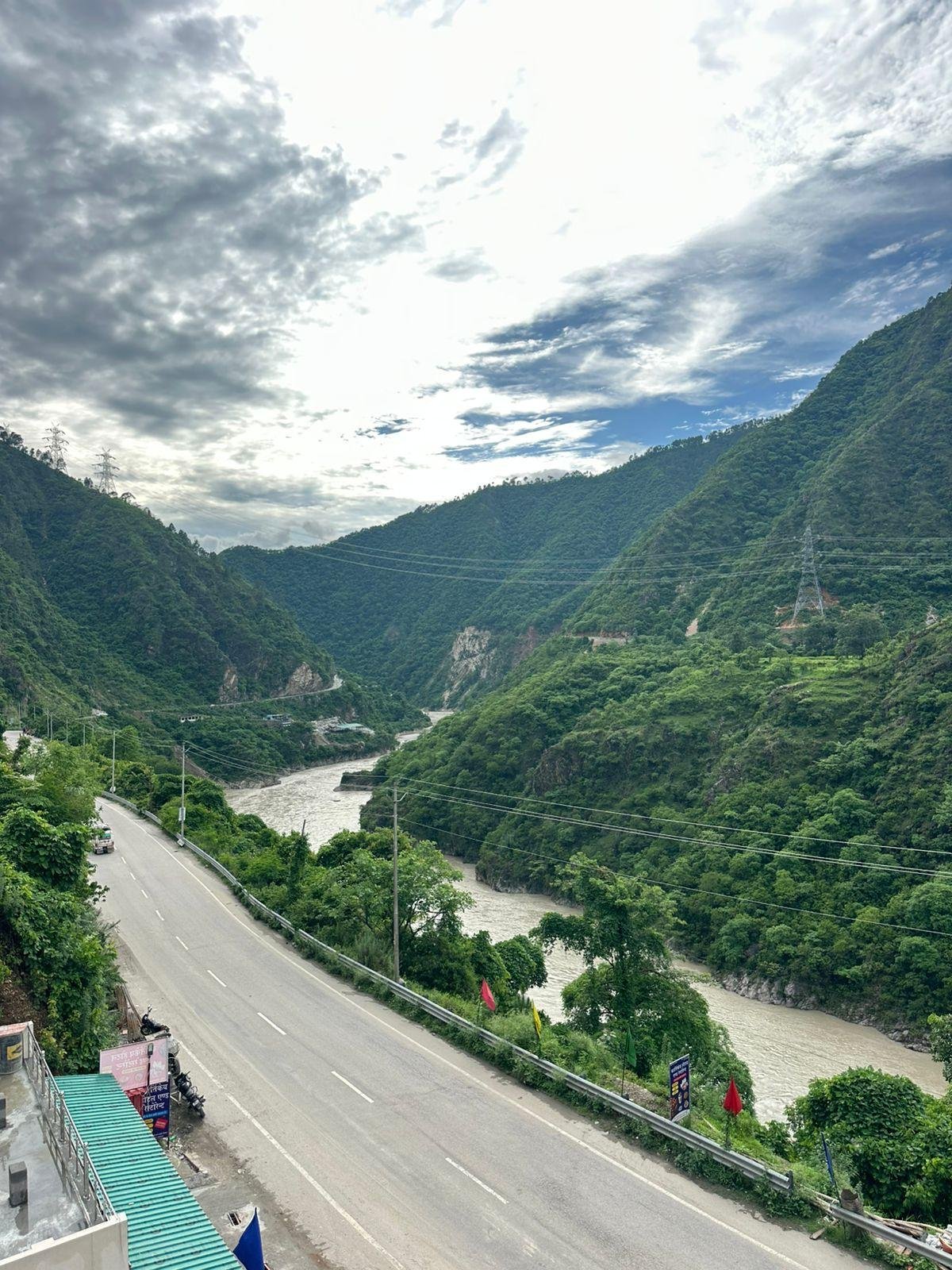
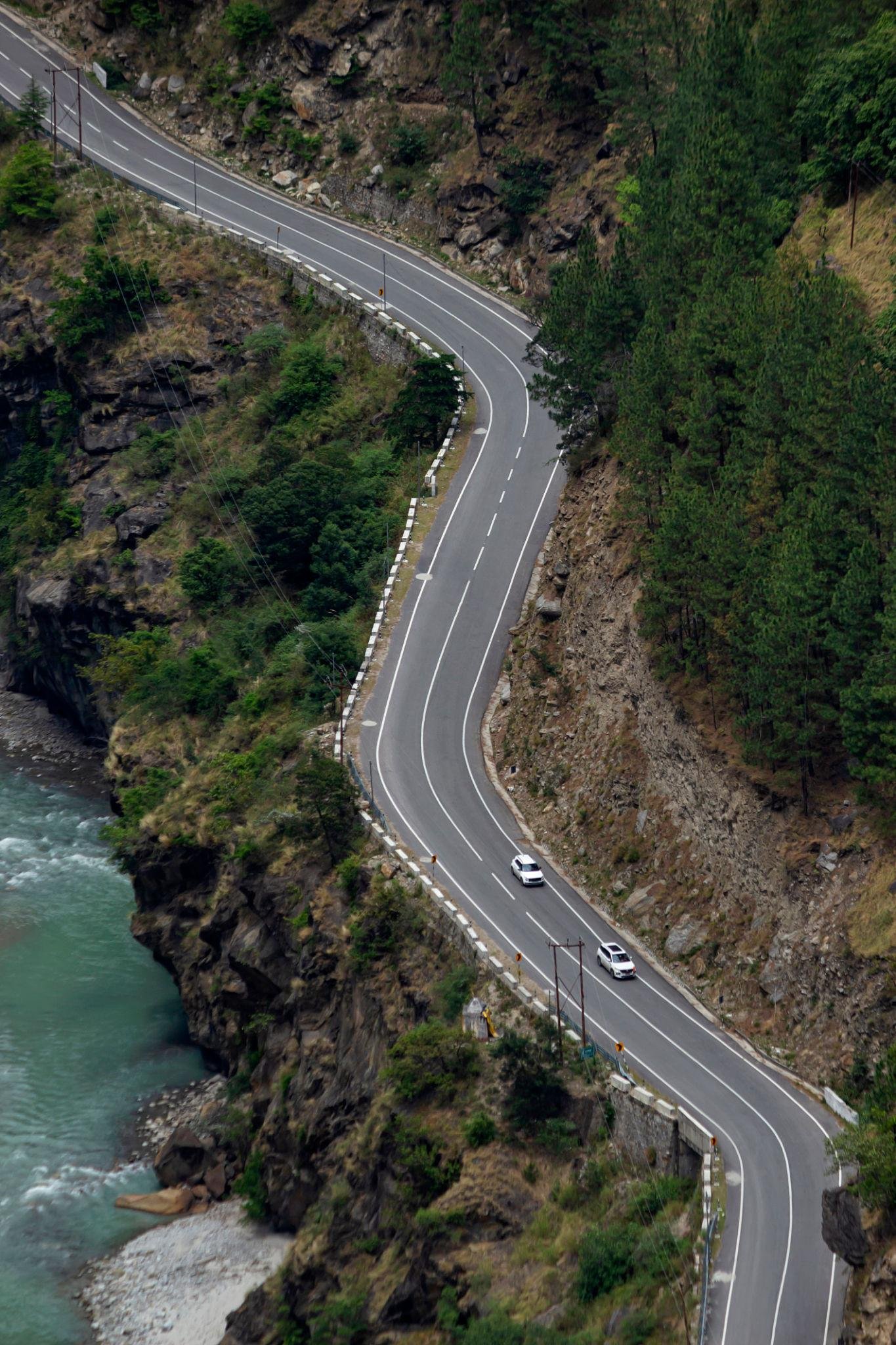
Journey Overview:Today’s journey takes the trekkers from Kirti Nagar to Pipalkoti/Joshimath, covering around 213–248 kilometers in eight to ten hours via highway. The elevation gradually increases from about 1,200 feet to 4,400 feet, allowing a steady ascent of about 3,200 feet. Because most of the elevation gain occurs while traveling by automobile, the body has an opportunity to begin adapting to changes in altitude, air pressure, and oxygen levels.
Route and Terrain :The route follows NH7, one of the major roads connecting the plains with important tourist destinations in Uttarakhand, including Badrinath. Once you enter the mountains, the highway traverses steep ghat sections built into the hillsides, with deep valleys and breathtaking mountain slopes accompanying your journey. The route includes many sharp hairpin bends and winding mountain roads. Road conditions vary based on the weather, especially during the monsoon, when certain sections can become slippery, muddy, and prone to landslides. This is why the trip should be taken at a leisurely speed while following the instructions of your knowledgeable Himadri Treks team.
Scenic Highlights
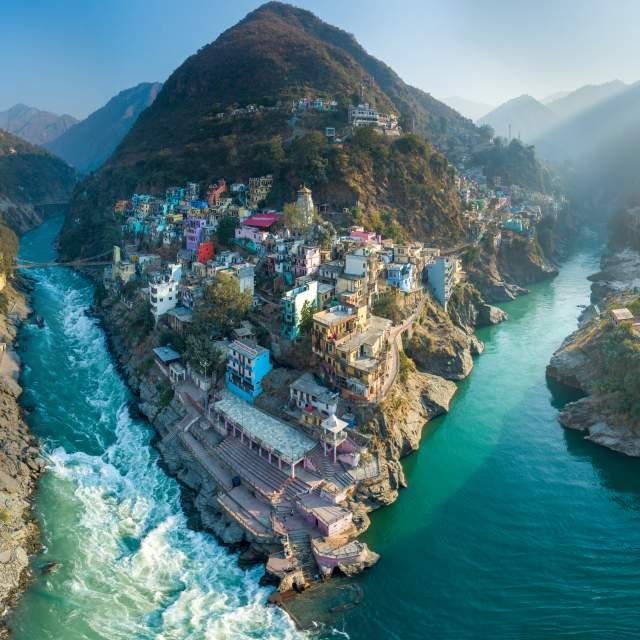
- One of the most memorable aspects of this tour is driving through the famed Panch Prayag, the five holy river confluences in Uttarakhand.
- In Devprayag, the Alaknanda and Bhagirathi rivers join to form the Ganga. Further along the road, the route passes Rudraprayag, where the Alaknanda meets the Mandakini, and Karnaprayag, where the Alaknanda joins the Pindar River.
- The scenery changes dramatically with elevation, from lush forests and lower valleys to mountains with terraced villages, and finally to the pine-shaded, cooler mountains of the middle Himalayas.
Local Experience: This drive is also an opportunity to learn about the lifestyle and traditions of the Garhwal Himalayas. The road meanders through villages and towns where residents continue to practice terrace farming and maintain their customary way of life.
Acclimatization Tips: Even though this day is predominantly spent driving, taking proper care of your body and health is crucial as you gain altitude. Drink water regularly throughout your drive. Avoid excessive alcohol or caffeine intake so your body has enough time to adapt to the increased elevation. If you are prone to motion sickness, steep mountain roads can be uncomfortable. Take any medicine you typically use to manage motion sickness, and inform your trek leader if you start feeling unwell. Keeping water and snacks close at hand can help make the long journey more comfortable. Most importantly, follow the directions given by the Himadri Treks trek leader and the supporting team.
Trek Leader's Advice
- Include essentials like your medicine, water bottle, sunblock, sunglasses, and a light jacket, along with important documents in your daypack.
- Avoid putting important items in bags that might be stored separately or left on top of the car.
- Carry some cash, since digital payment services and UPI connections may not be reliable in remote mountainous regions.
- Drink plenty of water during your journey, and try not to eat too much before traveling on winding mountain roads.
Day 2: Drive from Pipalkoti (4,400 ft.) to Govindghat (6,800 ft.) to Pulna (6,900 ft.) & trek to Ghangaria (9,800 ft.)
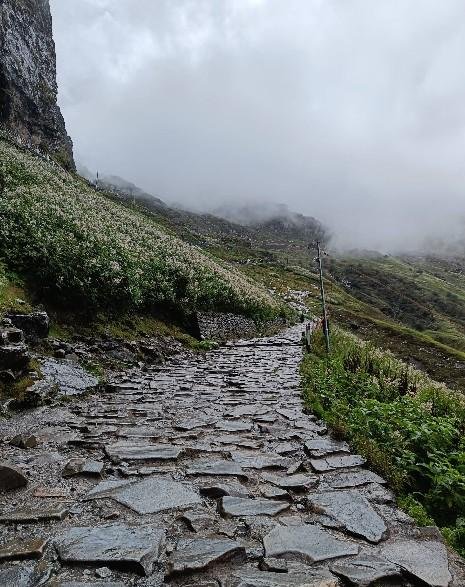
Trail Overview: Today is the day you begin your journey towards Ghangaria, the gateway to the Valley of Flowers and Hemkund Sahib. The day is split into two parts: around 40 km of highway travel, followed by a 9 km trek from Pulna to Ghangaria. This route takes trekkers into the heart of the Himalayan region, climbing to an altitude of around 9,800 feet at Ghangaria, an impressive elevation gain in a single day. Because the air gets thinner as you ascend, maintaining a steady pace and allowing your body time to adjust to the altitude is crucial.
Route and Terrain : A morning drive will take you through the picturesque Alaknanda Valley towards Joshimath and Govindghat, where the Alaknanda River meets the Lakshman Ganga River. From Govindghat, easy local transport will take passengers to Pulna, the main roadhead and starting point for today's trek. From Pulna, the path gradually ascends to Ghangaria. It is clearly defined and consists of stone-paved sections, with many bends and steep stretches along the way. The route follows the incline of the Lakshman Ganga River, an ever-present companion as you journey deep into the mountain ranges. The forest changes as you gain altitude, with pine, oak, and rhododendron trees lining the path. Some sections can be rocky and strenuous, particularly toward the final stretch to Ghangaria.
Highlights
- The landscape changes dramatically as you leave the lower valleys behind and enter dense Himalayan forest.
- The trail is surrounded by lush vegetation, mountainsides with flowing streams, and several waterfalls cascading down rugged terrain.
- The Lakshman Ganga River is among the most striking features of the trail. In several places, the river flows through narrow segments of the valley, offering stunning views and the gentle sound of flowing water throughout the journey.
- The higher you go, the more dramatic the landscape becomes. Clouds frequently gather along the mountain slopes, while towering peaks appear between the trees. In good weather, you may spot vibrant wildflowers along parts of the trail.
Trek Experience: Most trekkers find the final 1–2 km before Ghangaria to be the toughest part of the trek. By this point, the cumulative distance and continuous ascent can make the steep sections feel much more challenging. Arriving at the Ghangaria helipad and finally settling in often brings an unforgettable feeling of joy and satisfaction. After you arrive, take time to rest, eat a proper meal, drink plenty of water, and allow your body to recover from the day's climb.
Trek Leader Advise
- Carry a one-liter reusable water bottle and refill it at reliable sources throughout the journey.
- Keep your raincoat or poncho in an easy-to-find bag, as Himalayan weather is unpredictable.
- Keep your essential medicines, sunscreen, sunglasses, and personal items in your daypack.
- Take regular breaks instead of waiting until you are exhausted.
Day 3: Trek from Ghangaria (9,800 ft.) to Valley Of Flowers (11,500 ft.) & back to Ghangaria (9,800 ft.)
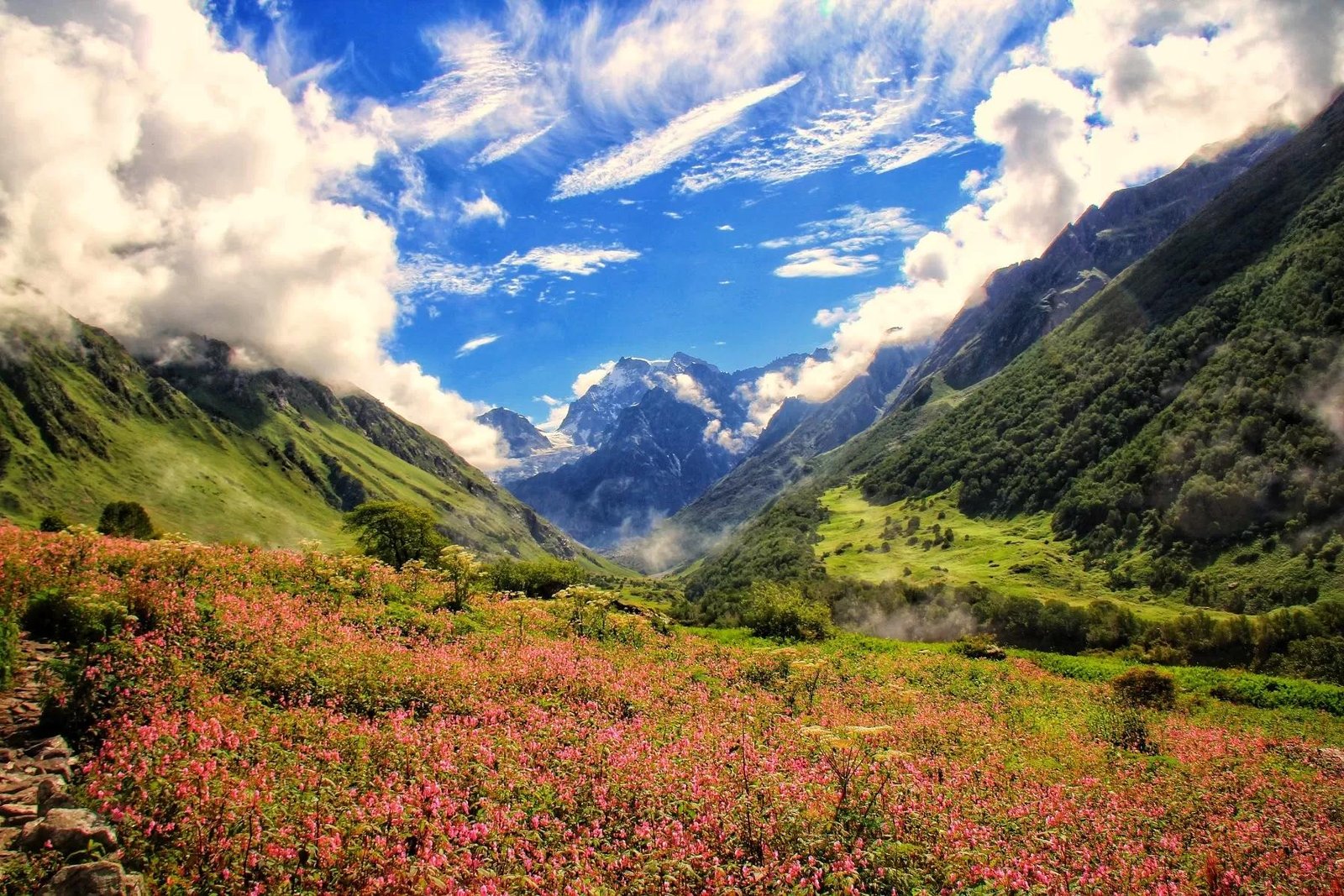
Trek Overview: This is one of the most memorable days of the Valley of Flowers Trek, when you enter the breathtaking Valley of Flowers National Park. The trek is 6 km and takes about 7 to 8 hours, including time to wander through the valley and admire nature's beauty. The trail takes you to a height of around 11,500 feet, then back to Ghangaria at around 9,800 feet for the night. It is regarded as moderate to easy; however, the elevation and uneven terrain make some sections a bit difficult. A packed breakfast and lunch, with dinner, are included in your trip package. Because you'll be returning to the same lodging in Ghangaria, you can leave your main luggage at the guesthouse and carry only a lightweight daypack with your essentials for the day.
Route and Terrain : After the forest checkpoint, the trail crosses a large iron bridge over the Pushpawati River, marking the start of the trek into the deeper valley. The trail is generally about 4 feet wide across many sections and consists of uneven, rocky surfaces, loose soil and stones, and occasional small stream crossings. Unlike the path to Hemkund Sahib, this trail has fewer mules and no vehicular traffic, offering trekkers a more tranquil, quieter experience. The first section is an ascending zigzag that gradually leads you through dense forest consisting of Bhojpatra (Himalayan birch) and fir trees. As you gain altitude, the forest begins to open, revealing the stunning U-shaped glacial valley that forms the Valley of Flowers.
Scenic Highlights
- Today, you'll be deep in the Bhyundar Valley, famed for its breathtaking alpine landscapes and remarkable variety of Himalayan plants.
- During the blooming season, there is an amazing variety of wildflowers, including Himalayan cinquefoil, Morina, blue poppy, Brahma kamal, various orchid species, and other alpine plants.
- In the deeper part of the valley, majestic mountain peaks rise over the landscape. In clear weather, you may see prominent mountains such as Rataban and Nilgiri Parbat.
- One of the most notable sights on the trek is the Big Waterfall, situated deeper in the valley. The sound of cascading water, beautiful meadows, vibrant flora, majestic mountains, and flowing rivers make up some of the most picturesque parts of the trek.
Acclimatization: This trek is also essential for your altitude adaptation. It will take you to 11,500 feet during the day, after which you'll return to Ghangaria, at around 9,800 feet, to rest. Maintain a steady, relaxed pace, especially when going uphill. Do not rush to reach a higher point quickly. Take regular breaks, stay hydrated, and be aware of how your body reacts to the elevation. If you experience persistent headaches, dizziness, excessive fatigue, nausea, difficulty breathing, or confusion, contact your Himadri Treks trekking leader immediately. Do not ignore signs of altitude-related sickness. The goal is not just to reach the highest point possible, but to enjoy the valley safely and return to Ghangaria in good health.
Camp Information & Logistics
- Camping in Valley of Flowers National Park is not permitted to protect the delicate Himalayan ecosystem. Therefore, you will return to Ghangaria for an overnight stay.
- The park's entry and exit times may change in accordance with official rules and seasonal conditions. The Himadri Treks trekking guide will inform you of your day's entry time, turnaround point, and exit time.
- As you will be returning to Ghangaria the same day, your primary baggage can be safely stored at your hotel. Carry only a light daypack with water, packed lunch, rain gear, personal medication, and other essential items.
- Keep your park entry permit and other identification documents safe in a waterproof pouch, as forest officers or park staff may check permits at any time during the trek.
Trek Leader's Advice
- Bring a refillable water bottle and refill it only from reliable sources recommended by your trek leader.
- If you have a sensitive stomach, consider using a water purification or filtration method instead of drinking untreated stream water.
- A full-length waterproof poncho can be extremely useful during the monsoon season, particularly because it protects both you and your daypack.
- Choose trekking shoes with deep, sturdy treads and a firm grip, as the trail may become slippery and muddy when it rains.
- Use a waterproof case or dry bag to protect your smartphone, camera, documents, and other electronic devices.
- Do not pick flowers, disturb animals, or remove plants, rocks, or other natural materials from the national park.
Day 4: Trek from Ghangaria (9,800 ft.) to Hemkund Sahib (14,100 ft.) & back to Ghangaria (9,800 ft.)
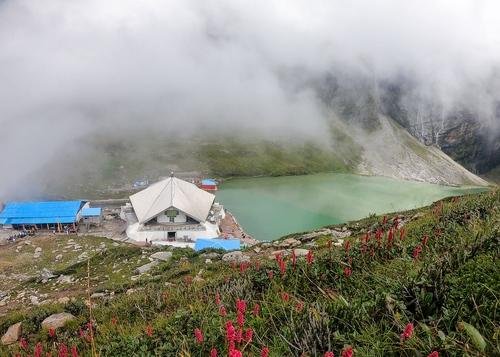
Trek Overview: This day is considered one of the most difficult on the Valley of Flowers and Hemkund Sahib trek. The route involves a steep 5–6-kilometer climb from Ghangaria to Hemkund Sahib, followed by a descent back to Ghangaria. The climb ranges from 9,800 feet up to 14,100 feet, which is a considerable elevation gain over the course of a single morning. The combination of steep terrain, high altitude, and lower oxygen levels makes the trek extremely demanding and requires high endurance, patience, and a steady pace. Breakfast will be served at the guesthouse in Ghangaria before you begin the trek. When you reach Hemkund Sahib, you may have the opportunity to visit the Gurudwara or take part in the Langar tradition, depending on local arrangements and operating conditions at the time. Afterward, you will descend to Ghangaria for evening tea, followed by dinner.
Safety and Acclimatization Guidelines: The rapid rise in altitude makes this day extremely challenging. Above 14,000 feet, the air contains considerably less oxygen than at lower elevations, so it is essential to move slowly and pay close attention to your body.Maintain a steady, comfortable pace rather than rushing the climb. Pause for a few minutes when necessary and avoid exhausting yourself with very long, continuous stretches without rest.Drink plenty of water and protect your ears and head from cold winds. If you experience intense headaches, persistent nausea, dizziness, unusual fatigue, confusion, or breathing difficulties, promptly inform your Himadri Treks guide.Safety is more important than reaching the destination. If your guide advises you to change your route due to health concerns, weather, or trail conditions, make sure to follow their instructions.
Camp Information & Logistics: There is no hotel for overnight stays in Hemkund Sahib, so you must return to Ghangaria the same day. The exact time of your turnaround is determined by local authorities, weather conditions, and your trekking team’s itinerary. Most of your luggage will remain at the guesthouse in Ghangaria. Carry only a daypack with the basic items you’ll need for the day. Temperatures in Hemkund can be significantly colder than in Ghangaria, and the weather may change quickly. Make sure you have enough warm clothing, including a down or fleece jacket, a thermal layer, gloves, and a warm cap. Ponies and other local support options may be available in Ghangaria, subject to local regulations, availability, operating conditions, and rules. Discuss any concerns you have about completing the climb with the Himadri Treks team before you start.
Route & terrain
The path up to Hemkund Sahib is clear, but it is quite steep in some sections. A large portion of the trail consists of stone-paved walkways, large stone steps, and numerous switchbacks that gradually gain altitude.
- The trail is used by a wide range of people, including ponies, pilgrims, palanquins, and porters, so it is particularly busy during the pilgrimage season. As you ascend, the lush vegetation around Ghangaria slowly disappears, and the terrain becomes open, rocky, and mountainous.
- The first section is a zigzag ascent that gradually takes you through dense forest consisting of Bhojpatra (Himalayan birch) and fir trees.
- As you gain altitude, the forest begins to open, revealing the stunning U-shaped glacial valley that forms the Valley of Flowers.
Highlights: Hemkund Sahib is one of the major Sikh pilgrimage sites in the Himalayas and holds immense spiritual significance for devotees. According to Sikh tradition, the location is associated with Guru Gobind Singh Ji, the 10th Sikh Guru.A small temple dedicated to Lord Lakshman is also located near the lake, underscoring its importance to Hindu pilgrims.The atmosphere at Hemkund Sahib is deeply spiritual and serene, with people offering prayers and devotional Gurbani recited in the Gurudwara. Visitors are expected to respect the sacred customs of the place, maintain cleanliness, and follow the directions of the Gurudwara officials.
Trek Leader Advise
- Bring a refillable water bottle and only refill it from reliable sources suggested by your trek leader.
- If you have a sensitive stomach, consider using a water purification or filtration method instead of drinking untreated stream water.
- A full-length waterproof poncho can be extremely useful during the monsoon season, particularly because it protects both you and your daypack.Choose trekking shoes with deep, sturdy treads and a firm grip, as the trail may become slippery and muddy when it rains.
- Use a waterproof case or dry bag to protect your smartphone, camera, documents, and other electronic devices.When you enter the Gurudwara, cover your head and follow the Gurudwara’s traditional practices as a sign of respect.The ascent to Hemkund Sahib is demanding; however, if you maintain a steady pace, prepare properly, and show respect for high-altitude conditions, it can be one of the most rewarding moments of your Himalayan journey with Himadri Treks.Be sure to follow the instructions of the Himadri Treks trekking guide and the local park authorities during the day.
Day 5: Trek from Ghangaria (9,800 ft.) to Pulna (6,900 ft.) then drive to Govindghat (6,800 ft.)and then drive to Badrinath visit & then drive back to Pipalkoti (4,400 ft.)
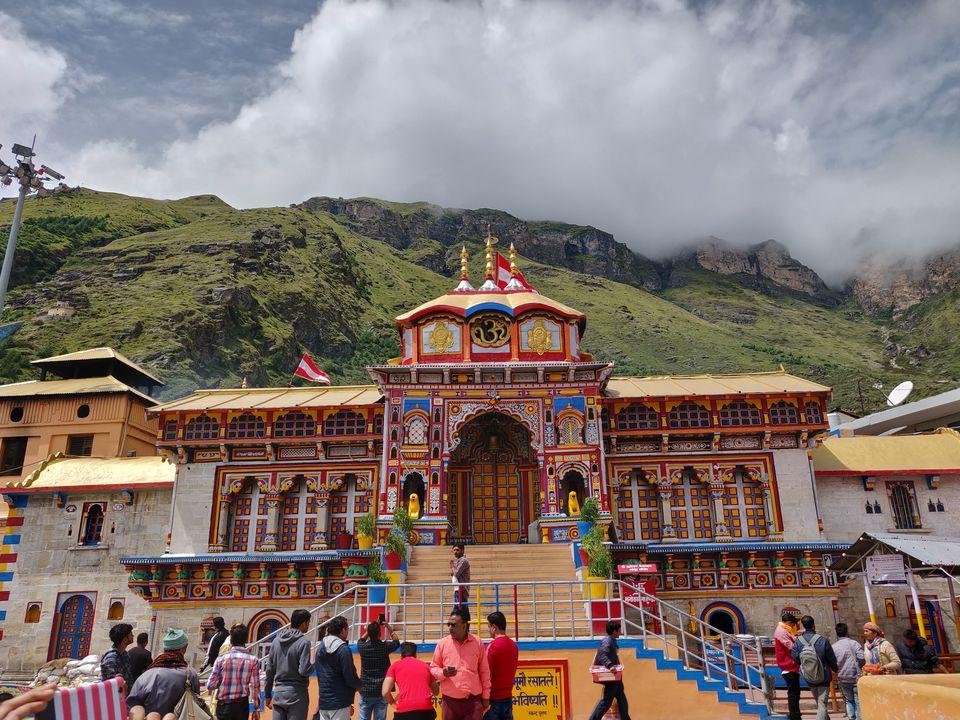
Trek Overview: This day marks the start of your return journey to the mountains. You will retrace the high-altitude sections of the trek, then descend about 13 km to Ghangaria, toward Govindghat and back. This usually takes between five and six hours, depending on your pace and trail conditions. The journey begins at approximately 9,800 feet in Ghangaria and descends to about 6,000–6,800 feet at Govindghat, followed by a drive toward Pipalkoti and Joshimath, depending on the route you choose. While descending can be easier on your breathing than ascending, the long downward slope can be tough on your ankles, knees, and thighs. Keep a slow, steady pace, and try not to rush downhill. You will begin the day with breakfast at your lodging in Ghangaria and carry a packed lunch on the trek. You can have dinner and drinks after arriving at your hotel in Pipalkoti or Joshimath.
Scenic Highlights
- One of the most striking changes you will notice on this journey is the shift in terrain as you lose elevation.
- The high-altitude mountain environment of Ghangaria gradually gives way to dense forests of pine, oak, and other Himalayan plant species. The air also becomes warmer and more nourishing as you descend.
- The surroundings near Bhyundar Village offer stunning panoramic views of the rivers and mountains stretching across the valley. The roar of the water accompanies much of the descent, providing an enjoyable contrast to the cooler, quieter atmosphere at higher altitudes.
- As you approach Govindghat, the terrain gradually becomes lusher and greener, marking your transition from the tranquil trekking area to the lower Himalayan region.
Safety and Acclimatization :Descending several thousand feet can be helpful from an altitude perspective, but it places significant strain on your ankles, knees, and tendons. Keep your knees slightly bent when walking downhill instead of locking them straight. Trekking poles provide valuable support and help reduce stress on your joints. Maintain a consistent pace and avoid racing downhill just because the route is descending. Short, moderate breaks are better than walking fast and becoming fatigued. Make sure your hiking shoes are securely tightened before you begin your descent. Properly lacing your shoes will prevent your feet from sliding inside them and reduce the risk of abrasions or blisters.
Camp Information & Logistics
- After you finish the trek at Govindghat, you will board a vehicle to continue your journey back through Pipalkoti and Joshimath, following the Himadri Treks route you have chosen.
- If you have used the services of a mule or porter for luggage transport, your main luggage will be transferred according to the arrangement made by the trek crew.
- The hotel in Pipalkoti/Joshimath will typically have more amenities than your accommodation in Ghangaria. The hotel you stay at will determine whether you can expect a spacious bathroom, electricity, comfortable rooms, and better mobile connectivity.
- Overnight stays are a perfect opportunity to unwind, refresh, recharge your electronic devices, and get ready for the final leg of your trip.
Day 6: Drive from Pipalkoti (4,400 ft.) to Rishikesh (1,200 ft.)
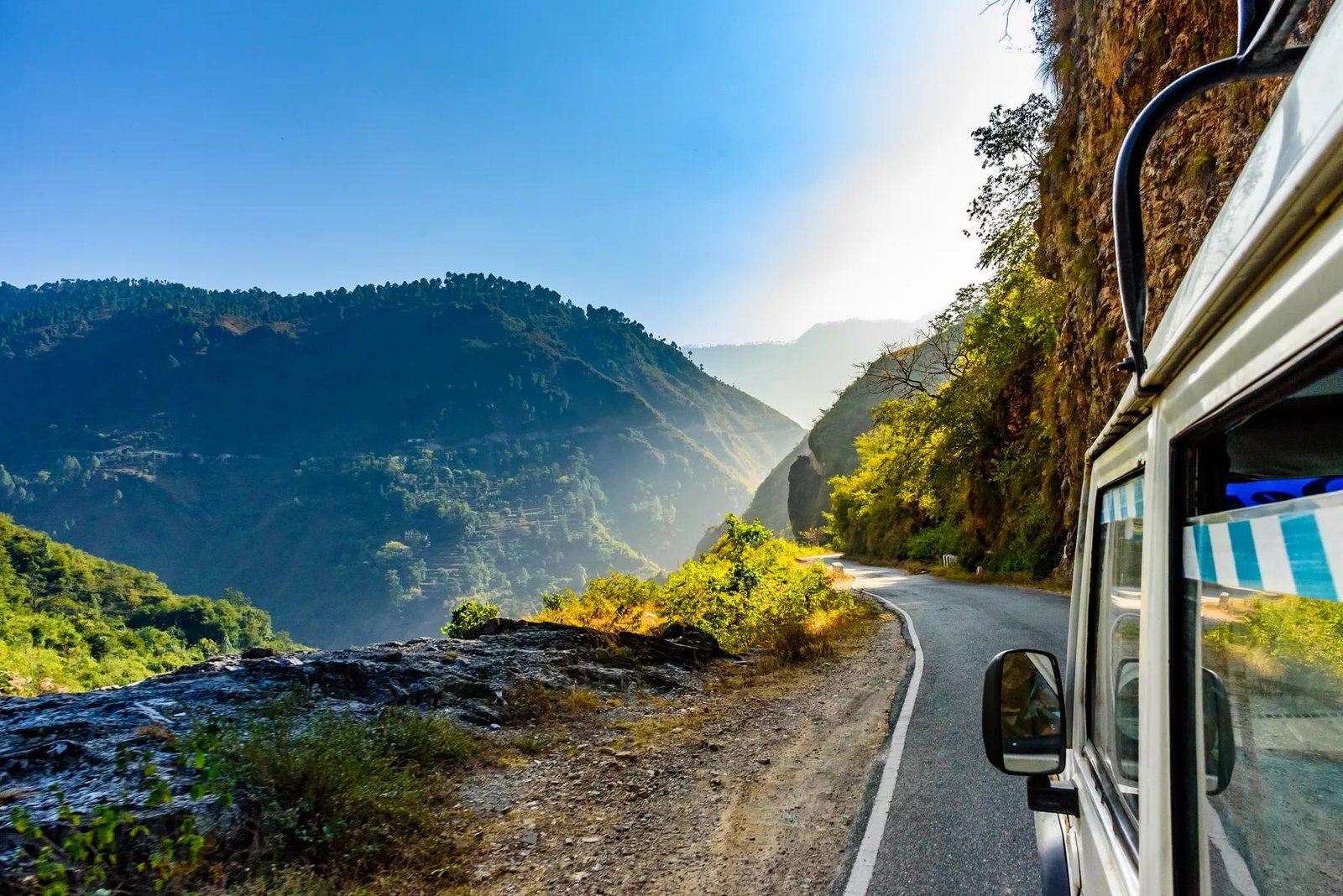
Journey Overview: The last day of the Valley of Flowers Trek takes you from Pipalkoti/Joshimath to Ristreksh, covering a distance of 213–248 km in 9–10 hours. The route descends from 4,400 to 1,200 feet, with the cold weather gradually transitioning to the more temperate climate of Ristreksh.
Scenic Highlights
- The trek offers breathtaking views of the Himalayan landscape and several Panch Prayag confluences. The most memorable of these is Devprayag, where the Alaknanda and Bhagirathi Rivers merge to form the Ganga.
Journey Back: The Valley of Flowers Trek with Himadri Treks concludes in Ristreksh. If you are taking an outbound flight or train, be sure to allow enough time for any unavoidable road delays. Thank you for choosing Himadri Treks. We hope the memories of this Valley of Flowers Trek stay with you long after you have left the hills.
Departure Tips
Before embarking on the Valley of Flowers Trek with Himadri Treks, keep these travel tips in mind to make your trek enjoyable, safe, and well organized.
- Carry a valid ID: Keep your photo ID with any required permits in a readily accessible place.
- Carry some cash: UPI and card transactions may not be reliable in remote Himalayan areas.
- Prepare for changing weather: Mountain weather can be unpredictable, so keep an umbrella or raincoat and warm layers easily accessible.
- Stay hydrated: Drink water regularly from the start of your trip, especially as altitude increases.
Trek Summary
| Day | Route | Distance | Altitude |
|---|---|---|---|
| Day 1 | Rishikesh → Pipalkoti/Joshimath | 250 km Drive | 4,400 ft |
| Day 2 | Pipalkoti/Joshimath → Govindghat → Pulna → Ghangaria | 40 km Drive & 9 km Trek | 9,800 ft |
| Day 3 | Ghangaria → Valley of Flowers → Ghangaria | 7 km | 11,500 ft |
| Day 4 | Ghangaria → Hemkund Sahib → Ghangaria | 10-11 km trek | 14,100 ft |
| Day 5 | Ghangaria → Pulna → Govindghat → Pipalkoti/Joshimath | 13 km Trek + Drive | 4,400-6,800 ft |
| Day 6 | Pipalkoti/Joshimath → Rishikesh | 250 km Drive | 1,200 ft |
Valley Of Flowers Trek Route Map & Route Profile Chart
Interactive trek maps, elevation vectors, tracking points, and high-altitude coordinates graphics load area.
Real Trekker Reviews & Experiences – Valley Of Flowers Trek with Himadri Treks
Video Reviews
It is said that the Valley of Flowers trek is best appreciated through the tales of trekkers who have traversed its trails. In this segment, you can hear real travelers share their stories of the trails, beautiful views, weather and campsites, food options, safety tips, trek leaders, and their overall experience with Himadri Treks.
These videos will give you a clear idea of the kind of experience you can expect on the Valley of Flowers trek – from the stunning mountain trails and lush, vibrant alpine meadows to the tranquil surroundings of the Himalayas. Listening directly to others who have trekked can help you understand their experiences, clarify common issues, and plan your trek with greater confidence and better organization.
Discover the genuine experiences of trekkers and get an inside look at the factors that make this Valley of Flowers trek with Himadri Treks an unforgettable Himalayan adventure.


