
Journey Beyond the Peaks | Himadri Treks
Discover the philosophy behind Himadri Treks — meaningful Himalayan journeys built around safety, responsible trekking, local communities, preparation and experiences that go far beyond reaching a summit.
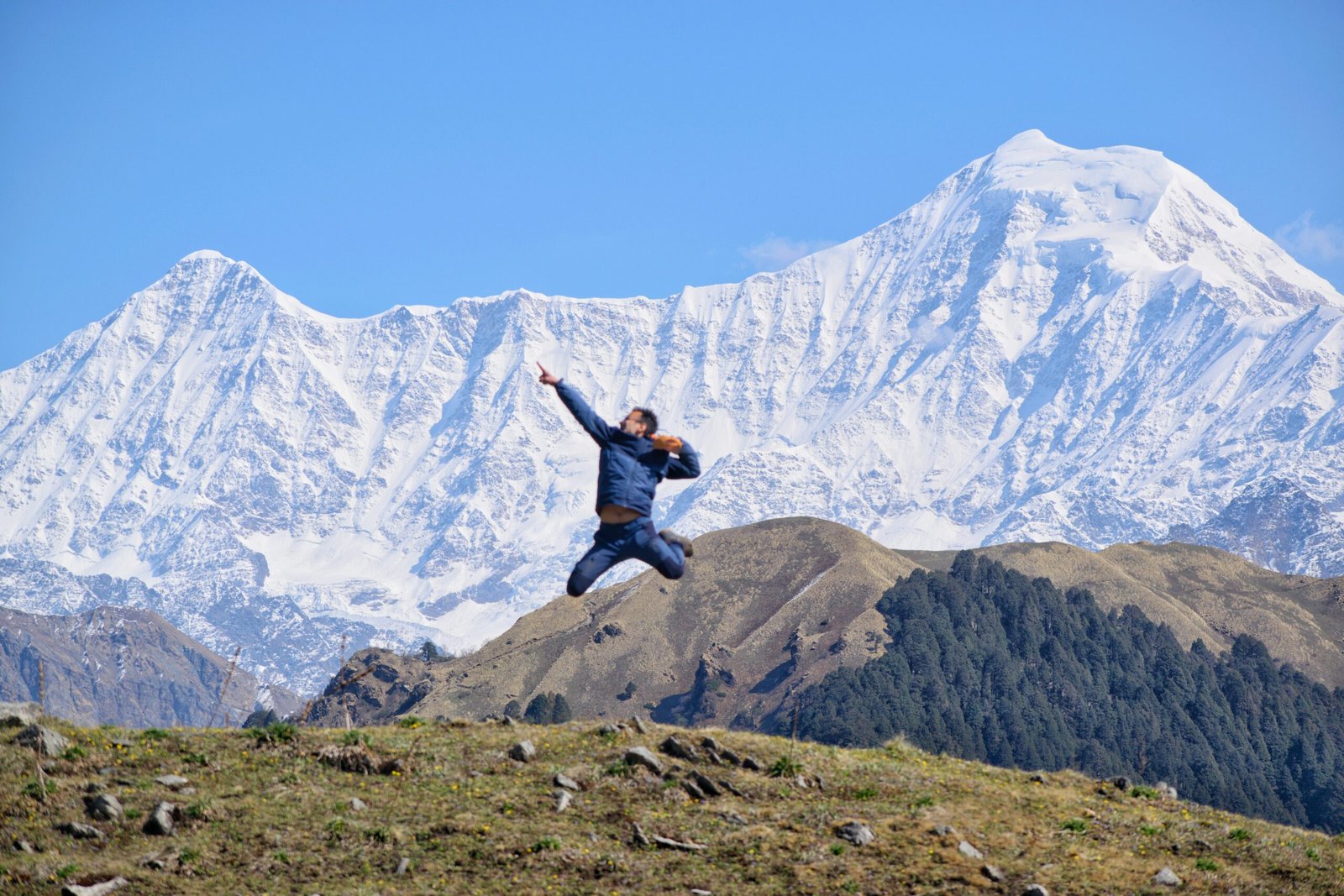
The Himalayas are more than mountains to climb. They are ancient villages hidden beyond forest trails, quiet mornings beneath snow-covered summits, conversations around a campsite, rivers flowing through deep valleys, and journeys that stay with you long after you return home.
At Himadri Treks, we believe trekking should be about more than reaching the highest point on a trail.
It should be about experiencing the mountains, understanding the places you walk through, respecting the people who call them home, and discovering what lies beyond the peaks.
That philosophy defines our journey.
The Story Behind Himadri Treks
Himadri Treks was created with a simple purpose: to help people experience the Himalayas through well-planned, responsible, and meaningful trekking journeys.
The Himalayan region contains some of India's most spectacular landscapes. Snow-covered mountains rise above forests of pine, oak, and rhododendron. Alpine meadows stretch across high ridges. Remote villages preserve traditions that have developed over generations.
Yet the real character of the Himalayas is often found away from the famous viewpoints.
It is found on the trail.
It is in the sound of a river beside your campsite, the first light reaching a distant summit, the silence of a forest after snowfall, and the welcome of a small mountain village after a long day of walking.
The trail should matter as much as the destination.
These experiences inspired the philosophy behind Himadri Treks — Journey Beyond the Peaks.
What Does “Journey Beyond the Peaks” Mean?
For many people, trekking begins with a destination.
A summit. A mountain pass. A valley. A famous viewpoint.
These destinations are important, but they are only one part of the journey.
The kilometres you walk before reaching them often become the memories you remember most.
Experience
Walk through the mountains instead of rushing only toward the final destination.
Understand
Learn about mountain weather, terrain, villages, forests and the landscape around you.
Respect
Respect communities, culture, wildlife and fragile Himalayan ecosystems.
Journey Beyond the Peaks means looking beyond the final destination and experiencing everything that makes a Himalayan trek meaningful.
It means walking through forests instead of simply rushing toward the next campsite.
It means understanding mountain weather rather than fighting against it.
It means appreciating local villages instead of treating them merely as points on an itinerary.
It means respecting the environment that makes these journeys possible.
“Sometimes reaching the summit was never the only reason you came to the mountains.
The Himalayas Are Not Just a Destination
The Himalayas have attracted explorers, pilgrims, mountaineers, travelers, and trekkers for generations.
But these mountains are not an adventure playground separated from everyday life.
They are living landscapes.
Communities depend on these valleys. Shepherds use alpine meadows. Villages have histories stretching back generations. Rivers originating in these mountains support millions of people downstream. Forests provide habitats for an extraordinary variety of wildlife.
When we trek through these regions, we become temporary visitors.
A Himalayan trek should leave you with photographs and memories, but also with a deeper appreciation for the landscapes and communities you visited.
Treks That Show Different Faces of the Himalayas
No two Himalayan trails offer exactly the same experience. That diversity is one of the reasons trekking here remains so fascinating.
Kedarkantha
Forest trails, snowy campsites and an approximately 12,500 ft summit make Kedarkantha a classic winter experience.
Explore Trek →Har Ki Dun
Ancient settlements, forests, rivers and a remote Himalayan valley combine culture with mountain landscapes.
Explore Trek →Kuari Pass
Forests, open meadows and panoramic views make this historic trail one of Uttarakhand's classic journeys.
Explore Trek →Kedarkantha: A Classic Himalayan Winter Experience
Kedarkantha Trek introduces trekkers to one of Uttarakhand's most popular winter landscapes.
The journey takes you through forests, mountain campsites, snowy trails, and eventually toward the summit of Kedarkantha at approximately 12,500 feet.
Winter transforms the region. Forests become covered in snow, campsites turn white, and early summit mornings offer a completely different Himalayan experience.
For many beginners, Kedarkantha becomes their first introduction to high-altitude trekking.
But the trek is not simply about standing on the summit. The forests, camps, changing weather, friendships formed along the trail, and experience of walking through snow are equally important parts of the journey.
Har Ki Dun: Into an Ancient Himalayan Valley
Har Ki Dun offers a very different experience.
Located within the Govind Pashu Vihar region of Uttarakhand, the trail leads trekkers deep into a beautiful Himalayan valley surrounded by forests, rivers, mountains, and traditional settlements.
Har Ki Dun is a trek where landscape and culture exist together.
Walking through this region allows trekkers to experience not only mountain scenery but also the character of remote Himalayan communities.
For us, Har Ki Dun represents exactly what travelling beyond the peaks can mean.
Kuari Pass: Walking Through the Garhwal Himalayas
The Kuari Pass Trek, historically associated with the Lord Curzon Trail, offers magnificent views of the Garhwal Himalayas.
The trail passes through forests and open meadows before reaching high viewpoints surrounded by impressive mountain scenery.
But once again, the pass itself is only one moment.
The forests, campsites, changing altitude, distant mountain views, and conversations during long walking days become part of the complete Kuari Pass experience.
Valley of Flowers: A Different Himalayan Landscape
Not every Himalayan journey needs to be dominated by snow.
During its flowering season, the Valley of Flowers reveals another side of Uttarakhand.
The landscape becomes filled with alpine vegetation, waterfalls, streams, mist-covered slopes, and colourful flowers.
It reminds us that the Himalayas are constantly changing.
Trekking Is About the Journey, Not Just the Summit
Summit photographs naturally receive attention.
They represent achievement.
But every experienced trekker eventually learns something important:
“The summit is only one moment of the trek.
The journey may have started days earlier.
You may have travelled hundreds of kilometres before reaching the trailhead.
You may have walked through forests, crossed streams, climbed steep sections, experienced rain or snowfall, struggled with tired legs, and watched the landscape change as you gained altitude.
Those moments matter.
Safety Before Summit
Adventure inevitably involves uncertainty.
That is part of what makes trekking exciting, but it is also why preparation and responsible decision-making matter.
At Himadri Treks, we believe the desire to reach a summit should never override sensible safety decisions.
Prepare Before You Trek
At altitude, small problems can become significant if ignored.
Weather can also change rapidly in the Himalayas. A sunny morning does not guarantee a clear afternoon.
Responsible trekking therefore requires flexibility.
There is no summit more important than returning safely.
Small Groups, Better Mountain Experiences
The number of people travelling together can significantly influence the trekking experience.
Smaller, properly managed groups can make communication easier, allow trek leaders to pay closer attention to participants, and reduce unnecessary pressure on trails and campsites.
They can also create a more personal atmosphere.
Trekking is often about the people walking beside you.
Shared climbs, conversations, difficult moments and summit celebrations often become some of the strongest memories from a trek.
Respect for Local Communities
Many trekking routes pass through villages that existed long before trekking became popular.
These communities are not tourist attractions.
They are people's homes.
Responsible trekkers should respect local customs, private spaces, religious places, agricultural land, and village life.
Small Actions Matter
Responsible Trekking in a Fragile Environment
The popularity of Himalayan trekking has created both opportunities and challenges.
Tourism can support livelihoods and introduce more people to the beauty of the mountains.
But poorly managed tourism can also create waste, damage vegetation, disturb wildlife, and place pressure on fragile landscapes.
“Leave the mountains as beautiful as you found them — or better.
Trekking for Beginners
Many people interested in Himalayan trekking hesitate because they have never trekked before.
You do not need to be a professional mountaineer to begin trekking.
You need to choose the right trek.
Build Your Trekking Foundation
Equally important is arriving with the right expectations.
Trekking involves discomfort.
There may be cold mornings, basic campsites, tired legs, limited connectivity, unpredictable weather, and long walking days.
But these challenges are also part of what makes completing a trek meaningful.
The Mountains Have Something for Everyone
Different people come to the Himalayas for different reasons.
There is no single correct reason to trek.
A Himalayan trail can be physically demanding and deeply peaceful at the same time.
You may spend hours walking with a group and still experience moments of complete solitude.
Perhaps that is why so many people return.
More Than a Trekking Company
For Himadri Treks, organizing a trek means accepting responsibility for someone's Himalayan journey.
A trekker may have been planning the trip for months.
It may be their first time seeing snow.
Their first night in a tent.
Their first journey above 10,000 feet.
Their first summit.
Or simply the first proper break they have taken in years.
Every trek represents someone's important journey.
That is why clear information, realistic itineraries, preparation, safety guidance and honest communication matter.
Our Vision for Himadri Treks
Himadri Treks is still part of a much larger journey.
Our vision is to build a trekking company recognized not simply for the number of departures it operates, but for the quality of the experiences it creates.
We want to introduce more people to Himalayan trekking while maintaining respect for safety, mountain communities, and the natural environment.
Your Himalayan Journey Begins Before the Trek
A Himalayan adventure does not begin when you take your first step on the trail.
It begins when you decide to go.
It continues while researching the route, preparing your fitness, buying or renting equipment, packing your backpack, and travelling toward the mountains.
And strangely, it does not completely end when you return home either.
Journey Beyond the Peaks
There will always be another summit.
Another valley.
Another forest trail.
Another mountain road disappearing into the distance.
The Himalayas are too vast to experience in a single journey.
And perhaps they are not meant to be.
At Himadri Treks, our purpose is to help you explore these mountains carefully, responsibly, and meaningfully — one trail at a time.
Because sometimes the most important part of reaching a mountain peak is discovering everything that existed along the way.
 PACKING
 KEDARKANTHA
 BEGINNERS