Himadri Treks

Kedarkantha

Walk Through Snow, Stand Above the Clouds.

Explore Treks

Kedarkantha

Trusted by 15,000+ Trekkers Across the Himalayas Expert Mountain Guides , Certified Trek Leaders , Safety & Medical Preparedness,Sustainable Trekking, Unforgettable Adventures

View Itinerary

Kedarkantha

Book your double or triple sharing backpacking tour today.

Book Now

Trek Facts

Max Altitude

12,500 ft (3,810 m)

Trek Duration

4 Night / 5 Days

Trekking Distance

23km (Approx.)

Difficulty Level

Easy to Moderate

Start / End Point

Sankri, Uttarakhand

Nearest Airport

Jolly Grant Airport, Dehradun

Best Season

October to April

Accommodation

A night in hotel room & during trek in dome styled tent

Meals

Breakfast, lunch, evening snacks and dinner

Permits Required

Forest Department & Trekking permit

Temperature

Day: 8°C to 15°C / Night: -5°C to -10°C

Snow

Dec - Feb (high chances)

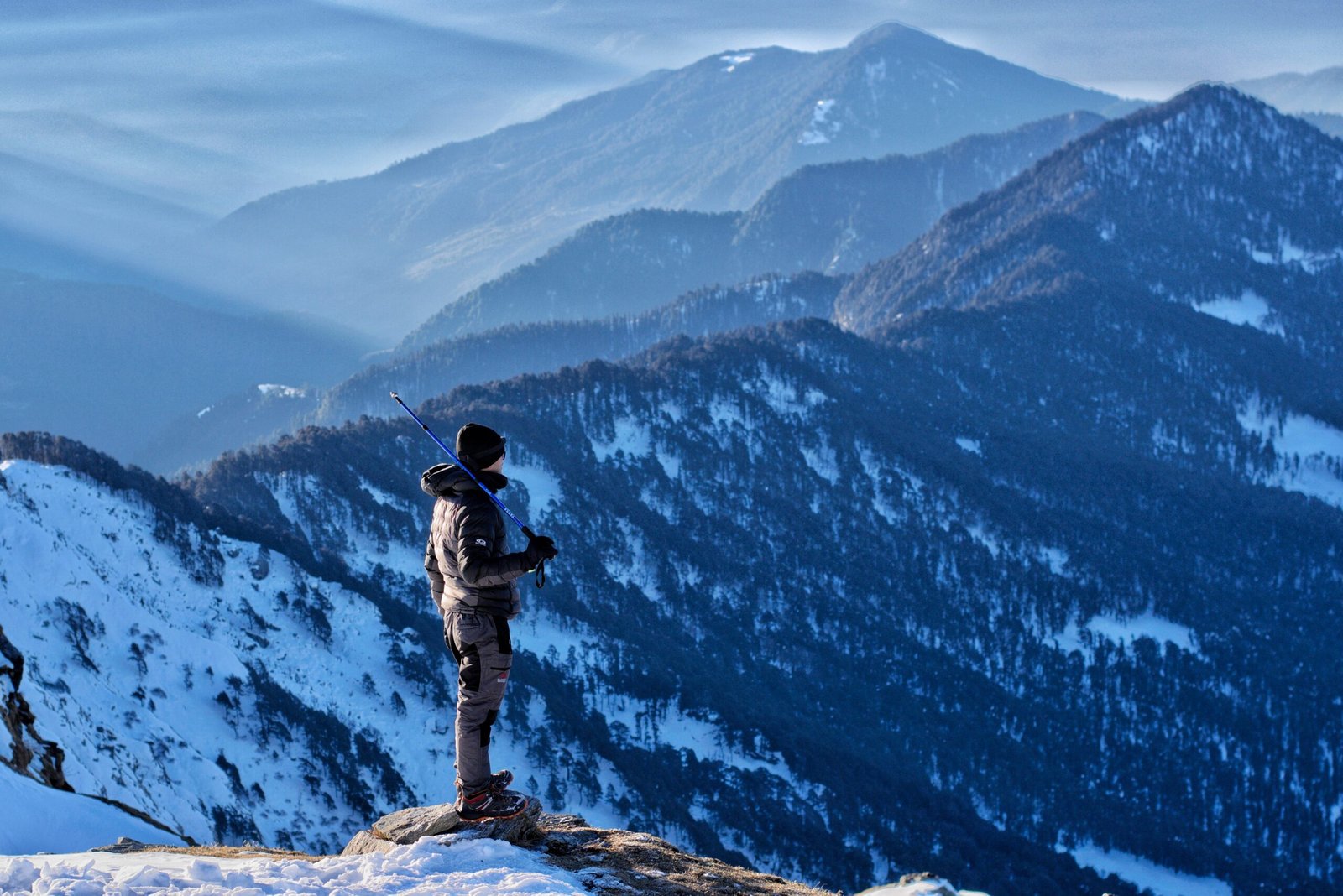
The Kedarkantha Trek is one of the finest winter adventures in the Indian Himalayas, offering an unforgettable journey through snow-covered forests, frozen alpine lakes, and vast Himalayan meadows. Rising to an altitude of 12,500 ft (3,810 m), this trek is perfect for beginners as well as experienced trekkers who want to experience the magic of the Himalayas during winter without requiring any previous mountaineering experience. Starting from the peaceful mountain village of Sankri in Uttarakhand, the 5-day Kedarkantha Trek combines breathtaking landscapes, exciting summit climbs, and panoramic Himalayan views with a moderate gradient and well-defined trails.

Why Choose the Kedarkantha Trek?

1. A Magical Winter Landscape

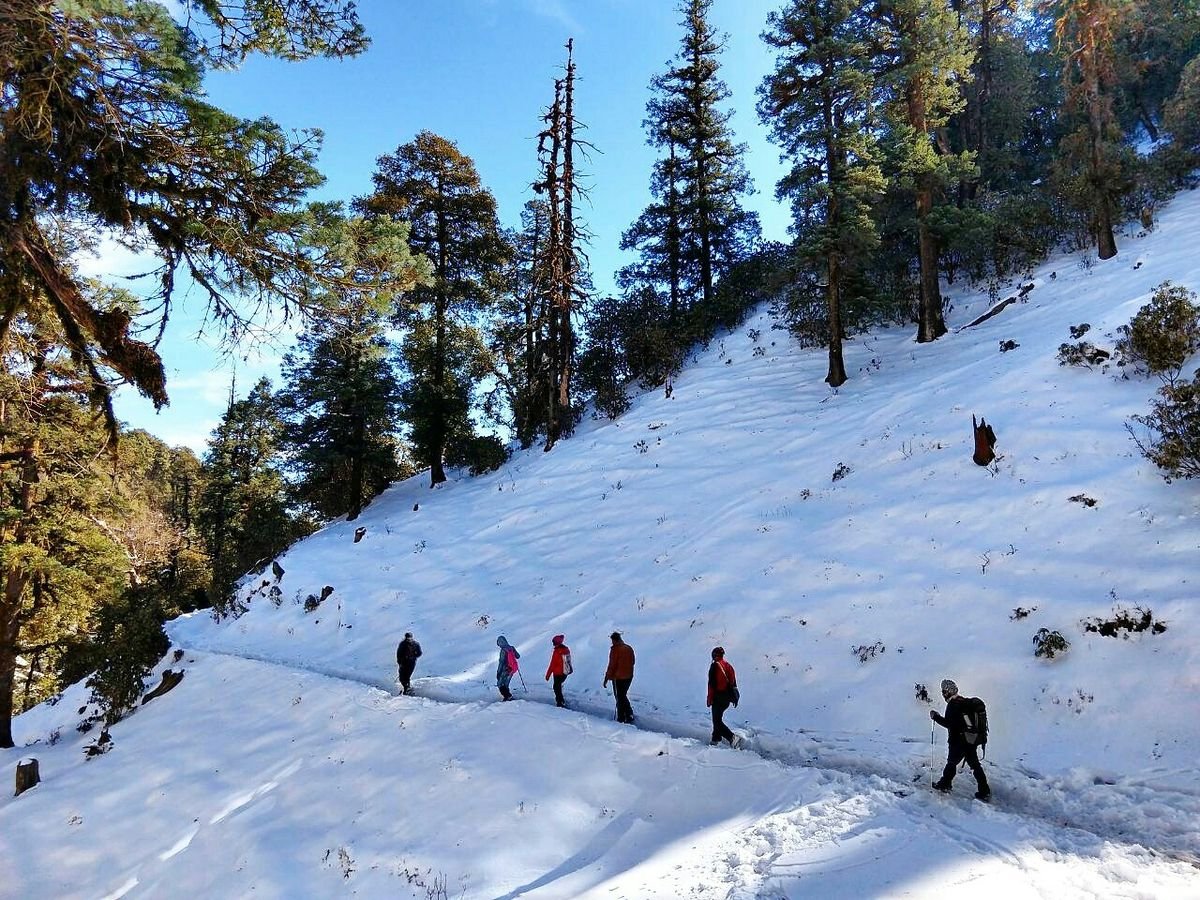
The Kedarkantha trail passes through the pristine forests of Govind Wildlife Sanctuary, where towering pine and oak trees remain covered in fresh snow throughout winter. The peaceful atmosphere, sparkling snow, and scenic clearings create an enchanting landscape that feels straight out of a storybook. As the trek climbs higher, the forests gradually transform into wide alpine meadows (Bugyals), offering uninterrupted views of the surrounding Himalayan ranges.

2. Trek Through Govind Wildlife Sanctuary

One of the unique features of the Kedarkantha Trek is its route through the rich biodiversity of Govind Wildlife Sanctuary. This protected Himalayan ecosystem is home to several native species, including the colourful Himalayan Monal (Uttarakhand's state bird), along with red foxes, Himalayan langurs, barking deer, and numerous mountain birds. The sanctuary adds an exciting wildlife experience to this already spectacular trek.

3. Juda Ka Talab – A Frozen Himalayan Gem

Located at an altitude of approximately 9,100 ft, Juda Ka Talab is one of the most beautiful campsites in the Himalayas. During winter, the lake freezes completely, creating a breathtaking landscape surrounded by snow-covered pine forests. Camping beside this frozen lake under a sky filled with countless stars is one of the most memorable moments of the Kedarkantha Trek.

Trek Accommodation
Glimpse of Trek Accommodation At Sankri

4. A Summit with Unmatched 360° Views

Unlike many Himalayan summits that offer limited viewpoints, Kedarkantha Peak provides an incredible 360-degree panoramic view. From the summit, trekkers can witness magnificent Himalayan peaks, including Swargarohini, Bandarpoonch, Black Peak (Kalanag), Ranglana, and several peaks of the Gangotri and Yamunotri ranges. Standing on the summit surrounded by snow-covered mountains is a truly unforgettable experience.

5. Spectacular Sunrise and Sunset

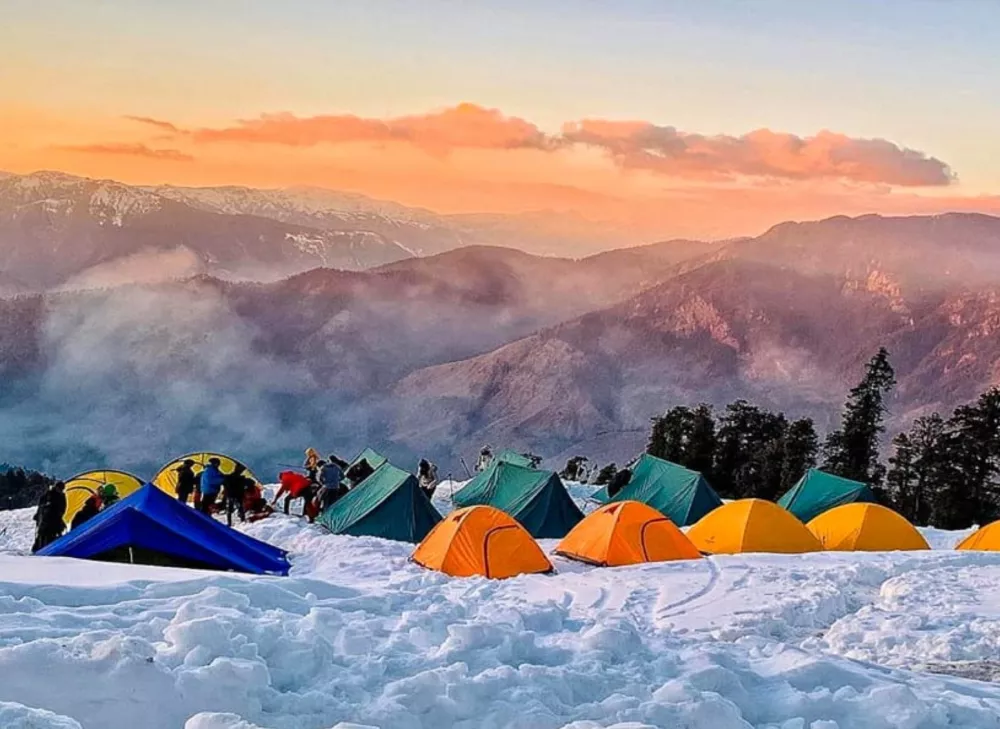
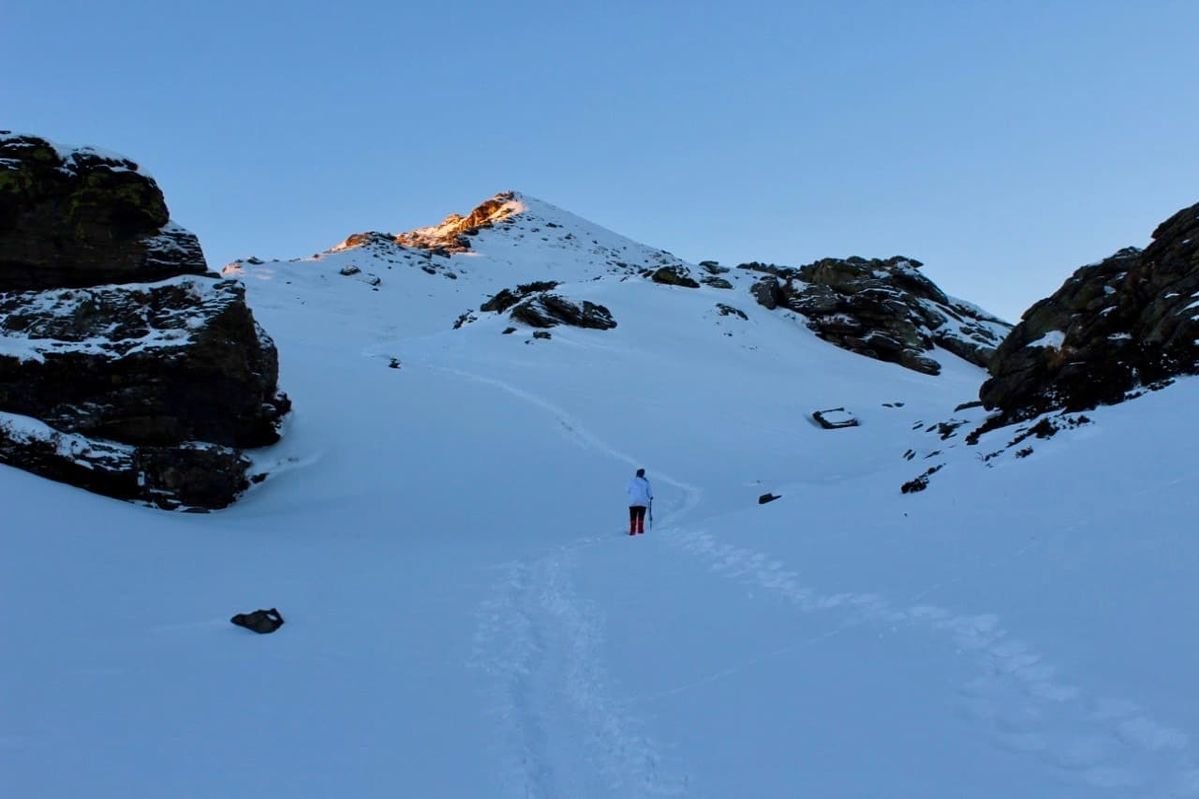
The summit climb begins around 3:00 AM, allowing trekkers to reach the top just before sunrise. Watching the first golden rays touch the snow-covered peaks of Swargarohini and Bandarpoonch is one of the most magical moments of the trek. Evenings at the Kedarkantha Base Camp are equally mesmerizing. As the sun sets, the surrounding snowfields glow with shades of pink, orange, and purple. On clear nights, trekkers are treated to a breathtaking view of the Milky Way stretching across the Himalayan sky.

A Perfect Trek for Beginners

The Kedarkantha Trek is widely regarded as one of the best beginner-friendly Himalayan treks. With gradual ascents, comfortable campsites, and experienced trek leaders from Himadri Treks, it offers the perfect opportunity to experience high-altitude trekking safely while enjoying the beauty of the Himalayas.

Kedarkantha Trek Itinerary, Route Map & Elevation Chart

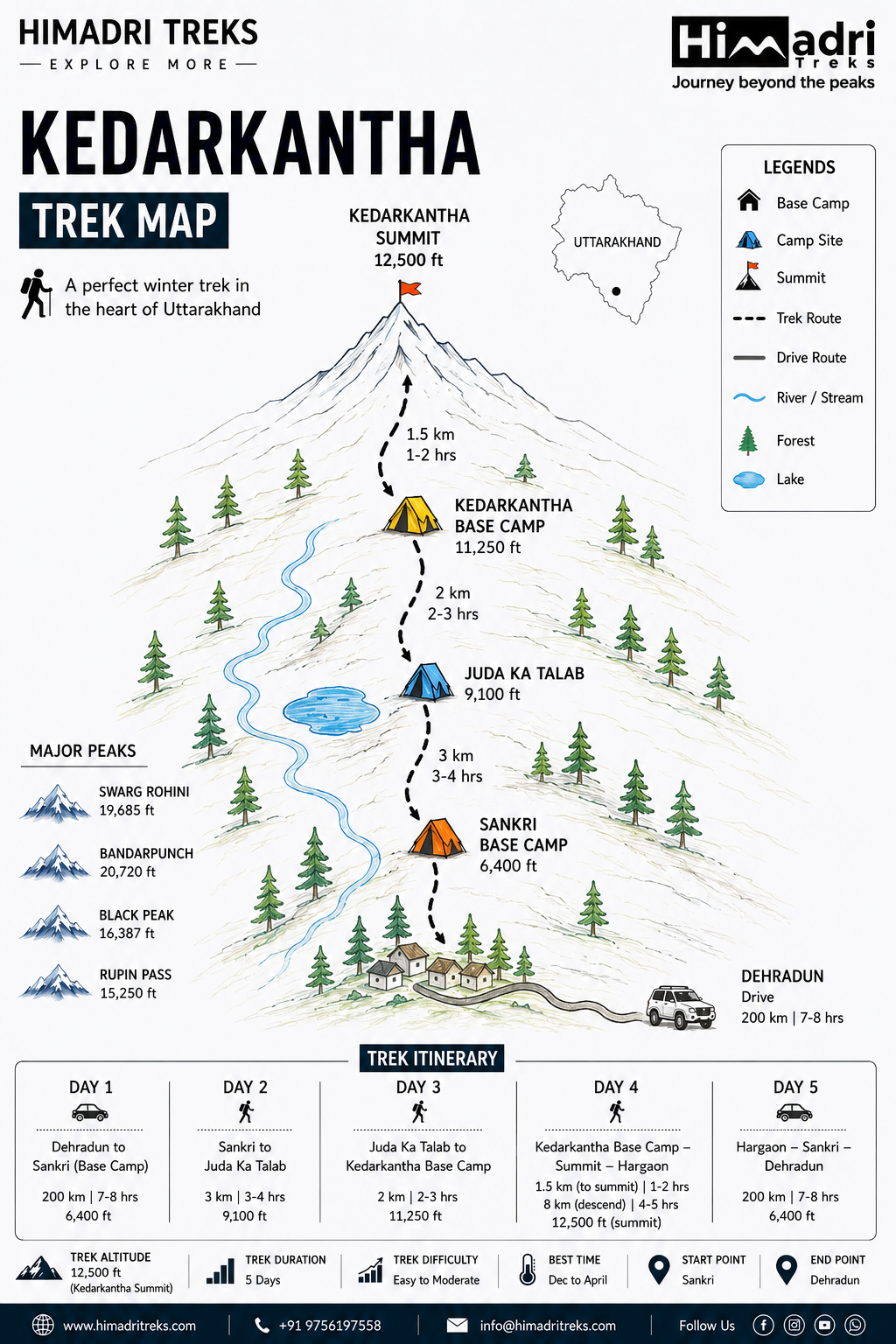
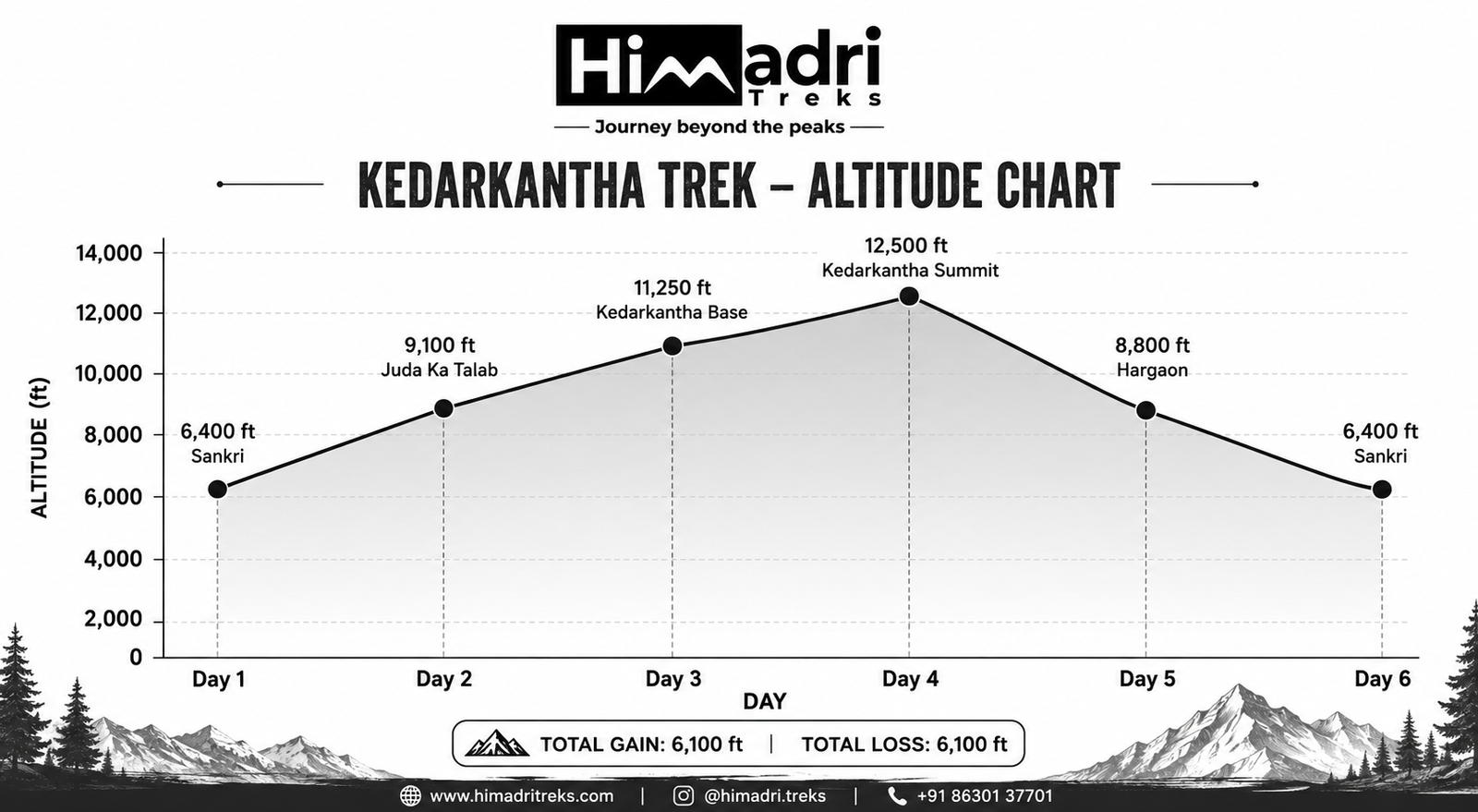
Planning your Kedarkantha Trek becomes easier with a well-structured itinerary. This guide provides a day-by-day breakdown of the trek, including trekking distance, altitude gain, terrain, campsites, and practical trekking tips. Starting from the picturesque village of Sankri, the trail passes through dense pine and oak forests, the frozen lake of Juda Ka Talab, beautiful snow-covered meadows, and finally reaches the spectacular Kedarkantha Summit (12,500 ft) before descending via Hargaon.

Day 1: Dehradun to Sankri (Base Camp)
🚗 Drive Distance ~200 km (9–10 hrs) via Mussoorie, Purola & Mori
🧗 Altitude Reach Sankri at 6,400 ft
🍴 Meals Evening Tea & Snacks, Dinner
🏠 Stay Guest House / Homestay at Sankri
🟢 Expert Advice: Prone to motion sickness on hill roads? Take medication before departure from Dehradun.

Journey Overview: Your adventure with Himadri Treks begins early in the morning from Dehradun. The scenic drive takes you through Mussoorie, Purola, Mori, and the beautiful Tons Valley before reaching the charming Himalayan village of Sankri. As the journey progresses, you'll witness changing landscapes — from bustling towns to dense forests, flowing rivers, and traditional Himalayan villages.

Scenic Highlights

  • Beautiful drive through the Yamuna and Tons valleys
  • Dense pine and deodar forests
  • First views of the Swargarohini Range
  • Traditional wooden Himalayan houses
  • Picturesque mountain villages

Local Experience: Sankri is a small Himalayan village famous for its wooden architecture and warm hospitality. It serves as the base camp for many iconic Himalayan treks and offers an authentic glimpse into the lifestyle of local mountain communities.

Acclimatization Tips: After arriving in Sankri, avoid sleeping immediately. Take a short walk around the village, stay hydrated, and allow your body to gradually adjust to the altitude.

Trek Leader's Advice

  • Carry enough cash before reaching Sankri — there are no ATMs beyond this point
  • Keep warm clothing easily accessible
  • Charge electronic devices whenever possible
  • Drink plenty of water during the drive

Day 2: Sankri to Juda Ka Talab

🥾 Trek Distance 4 km
🧗 Altitude Gain 6,400 ft → 9,100 ft
🍴 Meals Breakfast, Lunch, Evening Snacks & Dinner
⛺ Stay Alpine Camps at Juda Ka Talab
🟢 Expert Advice: Carry a thermos — water bottles can freeze overnight once you're camping above 9,000 ft.

Trail Overview: Today's trail begins with a gradual climb through beautiful pine, oak, and maple forests. During winter, the path becomes covered in fresh snow, creating one of the most magical trekking experiences in the Himalayas.

Highlights

  • Snow-covered forests
  • Beautiful Himalayan wildlife
  • Frozen Juda Ka Talab Lake
  • Peaceful forest camping

Trek Experience: The peaceful surroundings and fresh mountain air make today's trek enjoyable and relaxing. Juda Ka Talab, surrounded by towering pine trees, becomes one of the most picturesque campsites during winter.

Trekking Tips

  • Maintain a steady pace
  • Drink water regularly
  • Carry a thermos to prevent water from freezing
  • Always follow your trek leader

Day 3: Juda Ka Talab to Kedarkantha Base Camp

🥾 Trek Distance 4 km
🧗 Altitude Gain 9,100 ft → 11,250 ft
🍴 Meals Breakfast, Lunch, Evening Snacks & Dinner
⛺ Stay Kedarkantha Base Camp
🟢 Expert Advice: Pack your summit backpack tonight — you'll be leaving camp before sunrise tomorrow.

Trail Overview: Today's trail climbs above the tree line as dense forests slowly give way to vast snow-covered meadows and breathtaking Himalayan views. The magnificent Kedarkantha summit now appears directly ahead, motivating every trekker for the summit climb.

Scenic Highlights

  • Panoramic Himalayan views
  • Bandarpoonch Peak
  • Swargarohini Range
  • Black Peak
  • Snow-covered alpine meadows

Acclimatization: Spend the afternoon relaxing or take a short acclimatization walk around the campsite. Proper rest and hydration are essential before summit day.

Trek Leader's Advice

  • Pack your summit backpack tonight
  • Keep spare batteries inside your sleeping bag
  • Sleep early — the summit climb begins before dawn

Day 4: Kedarkantha Base Camp – Summit – Hargaon

🥾 Trek Distance 6 km
🧗 Highest Altitude 12,500 ft
🍴 Meals Early Breakfast, Lunch, Snacks & Dinner
⛺ Stay Hargaon Campsite
🟢 Expert Advice: Wear sunglasses after sunrise — bright sun on fresh snow can cause snow blindness.

Summit Day: The most exciting day of the trek begins around 2:00–3:00 AM. Using headlamps, trekkers gradually climb towards the summit under a sky filled with countless stars. Reaching the summit at sunrise is an unforgettable experience.

Summit Views

From the summit, enjoy breathtaking 360° views of:

  • Swargarohini
  • Bandarpoonch
  • Black Peak
  • Ranglana
  • Gangotri Peaks
  • Yamunotri Range

Descent: After spending time at the summit, descend carefully through snowy slopes before entering beautiful forests leading to the peaceful campsite at Hargaon.

Safety Tips

  • Wear proper layers
  • Keep gloves dry
  • Use trekking poles
  • Wear sunglasses after sunrise to avoid snow blindness

Day 5: Hargaon – Sankri – Dehradun

🥾 Trek Distance 6 km
⏱ Trek Duration ~3 hrs
🚗 Return Drive 200 km to Dehradun
🍴 Meals Breakfast
🟢 Expert Advice: Plan your onward journey from Dehradun in advance — the drive back typically ends late in the evening.

Trail Overview: Today's trek is mostly downhill through beautiful forests before reaching Sankri. After freshening up and enjoying lunch, you'll begin the return drive to Dehradun, carrying unforgettable memories of your Himalayan adventure.

Scenic Highlights

  • Oak and pine forests
  • Har Ki Dun Valley views
  • Traditional Himalayan villages
  • Beautiful mountain streams

Journey Back: The drive follows the same scenic route back through Mori, Purola, and Mussoorie before reaching Dehradun late in the evening.

Departure Tips

  • Use trekking poles while descending
  • Keep drinking water throughout the day
  • Pack wet clothes separately
  • Plan your onward journey from Dehradun in advance

Trek Summary

Kedarkantha Trek day-wise route, distance and altitude summary
Day Route Distance Altitude
Day 1 Dehradun → Sankri 200 km Drive 6,400 ft
Day 2 Sankri → Juda Ka Talab 4 km 9,100 ft
Day 3 Juda Ka Talab → Kedarkantha Base Camp 4 km 11,250 ft
Day 4 Base Camp → Kedarkantha Summit → Hargaon 6 km 12,500 ft
Day 5 Hargaon → Sankri → Dehradun 6 km Trek + 200 km Drive 6,400 ft
Trek Difficulty

How Difficult Is Kedarkantha Trek?

Kedarkantha is generally considered a moderate-level Himalayan trek and is one of the popular winter treks in Uttarakhand. The trail includes forest walks, snow-covered sections, gradual climbs and a summit ascent that requires good fitness and steady pacing.

Overall Difficulty
Moderate
Moderate Trek
Easy Moderate Challenging

The Kedarkantha Trek is suitable for beginners with a reasonable level of fitness. The trail involves several hours of walking each day, forest paths, uneven terrain and elevation gain. During winter, snow can make the trail more demanding, especially around the summit section. A steady pace and proper acclimatization are important for a comfortable trek.

🥾

Fitness Required

Basic to good fitness is recommended. Regular walking, jogging or stair climbing can help prepare for the trek.

⛰️

Mountain Terrain

Expect forest trails, meadows, uneven paths and steeper sections near the Kedarkantha summit.

↑

High Altitude

The trek reaches around 12,500 ft, so controlled pacing and proper acclimatization are important.

❄

Snow & Weather

Winter conditions can bring snow, cold temperatures and changing mountain weather.

Is Kedarkantha Trek Suitable for You?

Kedarkantha is a good choice for beginners who are comfortable walking for several hours in mountain terrain. You do not need advanced mountaineering experience, but you should be physically prepared for uphill and downhill walking. Beginners can prepare with regular walking, stair climbing, jogging or cardio exercises before the trek. During the winter season, snow and cold conditions can increase the difficulty of certain sections.

🏃 Build Endurance Start regular walking, jogging or stair climbing a few weeks before the trek to improve stamina.
🎒 Practice With a Backpack Train with a comfortable daypack so your body becomes familiar with carrying trekking gear.
❄ Prepare for Snow If trekking in winter, prepare for snow-covered trails, cold temperatures and slippery sections.

Best Time for Kedarkantha Trek: Season by Season Guide

The Kedarkantha Trek is one of the most popular winter treks in Uttarakhand, known for its snow-covered trails, beautiful pine and oak forests, open meadows, and panoramic Himalayan views. The best time to experience the trek depends on the weather, snowfall, trail conditions, and the kind of landscape you want to experience.

Each season gives Kedarkantha a different character. Winter brings the famous snow-covered trail, spring offers fresh greenery and pleasant weather, summer provides comfortable trekking conditions, while autumn brings clear skies and excellent mountain visibility. Choosing the right season can make your Kedarkantha adventure even more memorable.

Kedarkantha Trek: Month by Month Breakdown

Here is a simple month-by-month guide to help you understand the weather, snow conditions, scenery, and overall trekking experience you can expect on the Kedarkantha Trek.

October – November (Autumn & Clear Views)

❄ Snow: Low to moderate chances
🌡 Temperature: Pleasant days / Cold nights

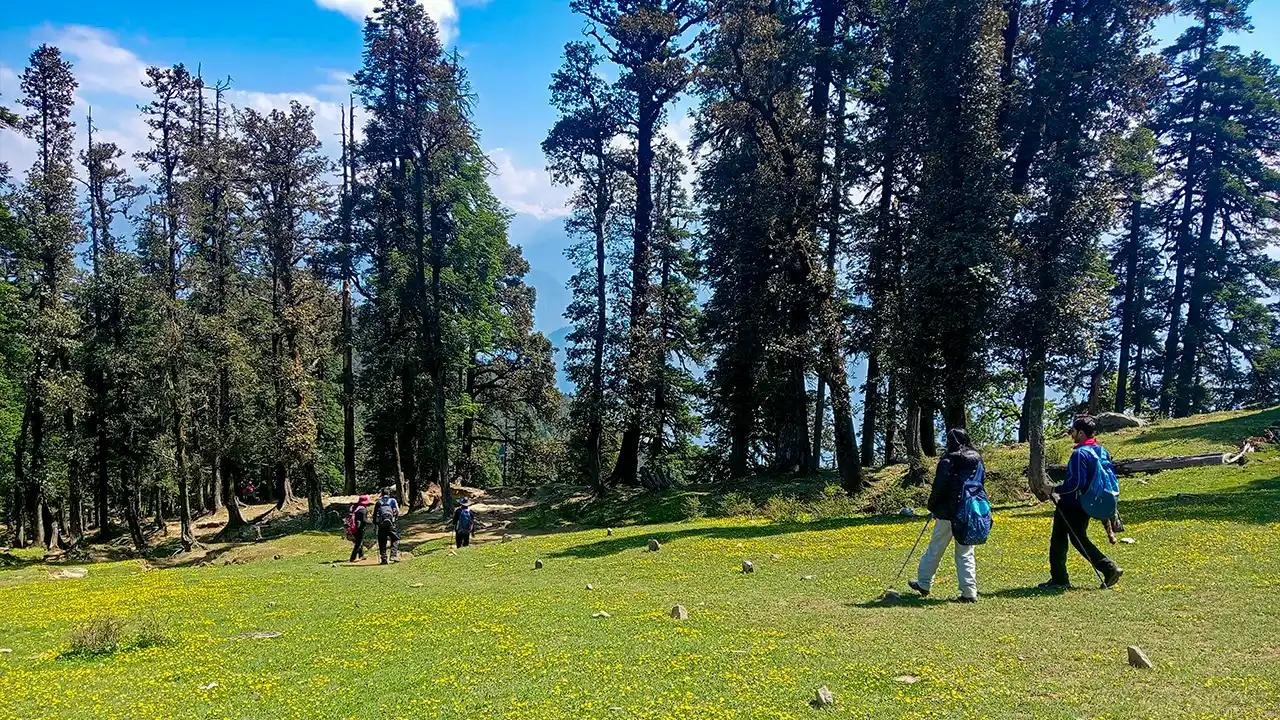
October and November offer some of the clearest views of the Himalayan mountains. The monsoon season has passed, leaving the skies generally clear and the surrounding landscapes fresh.

The trails are usually dry and comfortable for trekking, making this period a good choice for trekkers who prefer clear mountain views without heavy winter snow.

Kedarkantha Trek in Autumn

December – February (Winter & Snow Season)

❄ Snow: High
🌡 Temperature: Very cold at higher camps

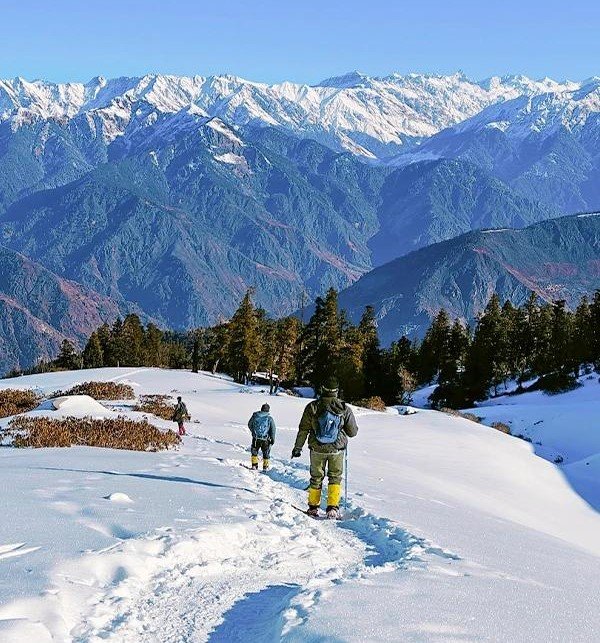
December to February is the most popular period for experiencing the classic winter Kedarkantha Trek. Snow can cover the forests, meadows, campsites, and higher sections of the trail.

The landscape becomes a beautiful white winter wonderland. Trekkers should be prepared for freezing temperatures, snow-covered trails, and changing mountain weather. Proper winter clothing and trekking equipment are essential.

Kedarkantha Trek in Winter

March – April (Spring Season)

🌸 Landscape: Fresh & green
🌡 Weather: Pleasant daytime conditions

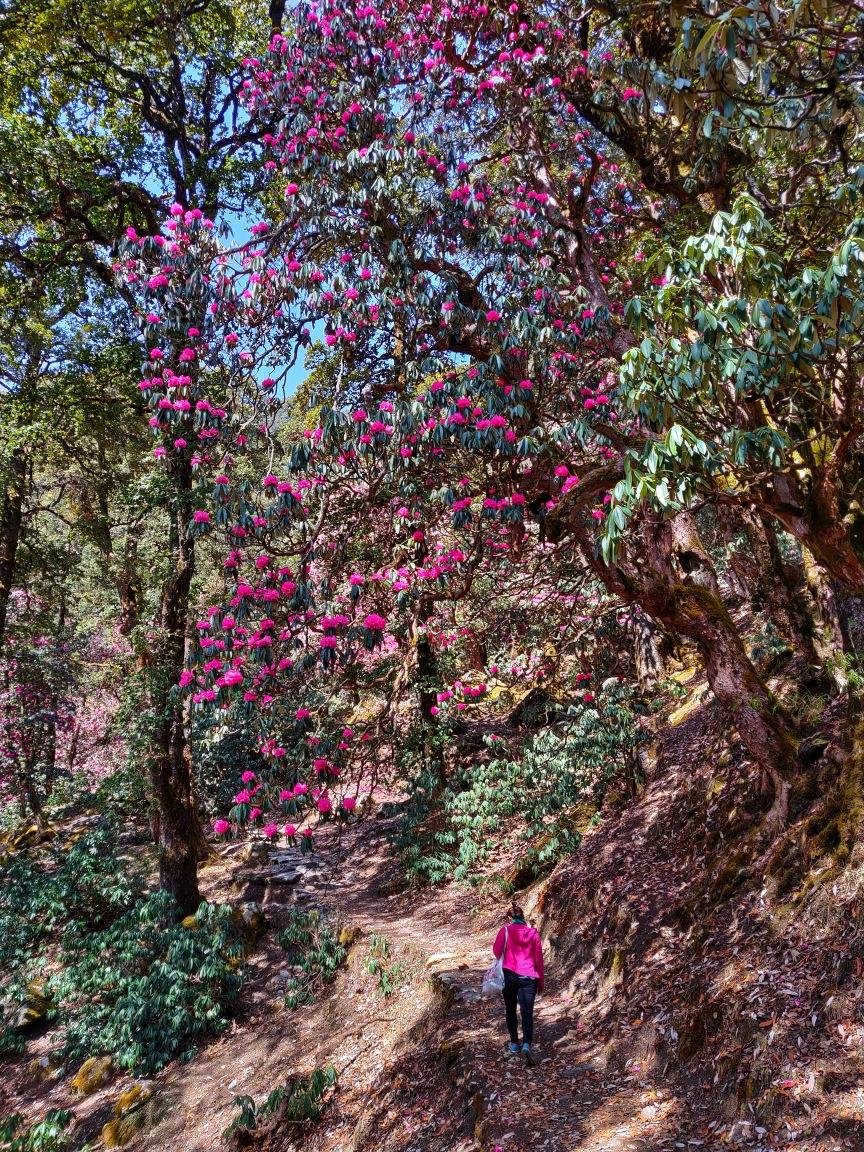
Spring brings a fresh character to the Kedarkantha trail. Snow begins to melt from the lower sections while forests and meadows gradually become greener.

This is a pleasant period for trekkers who want a combination of mountain views, comfortable daytime temperatures, and changing Himalayan landscapes. Some snow may still remain at higher elevations.

Kedarkantha Trek in Spring

May – June (Summer Season)

☀ Weather: Pleasant
🏔 Views: Excellent

May and June generally offer comfortable trekking conditions on the Kedarkantha route. The snow from the lower sections has mostly disappeared and the trail becomes easier to navigate.

The surrounding forests and meadows become vibrant, while clear weather can provide excellent views of the Himalayan ranges. It is a good season for trekkers who prefer a snow-free mountain experience.

Kedarkantha Trek in Summer

Advice by Himadri Treks Expert Team

Our experienced trekking team understands the changing Himalayan weather and trail conditions. Choosing the right season and preparing properly can make your Kedarkantha Trek safer, more comfortable, and more enjoyable.

  1. Prepare for Winter Conditions: If trekking during the snow season, carry proper thermal layers, gloves, warm socks, and suitable winter trekking equipment.
  2. Allow Time for Acclimatization: Give your body enough time to adjust to increasing altitude and maintain a comfortable, steady pace.
  3. Wear Proper Trekking Shoes: Choose comfortable, well-broken-in trekking shoes with good grip for uneven and potentially snowy trails.

How to Plan Your Travel for Kedarkantha Trek

Are you excited to start your adventure for Kedarkantha Trek? The journey begins from Dehradun, where trekkers gather before travelling towards Sankri, the main base village for the trek. In this section, we guide you through how to plan and proceed with your journey for the Kedarkantha Trek. From your hometown to the pickup point at Dehradun, we explain the available transportation options to help you plan a smooth and comfortable journey.

Modes of Transport to Reach Dehradun (Base Pickup City)

There are several ways to reach your pickup point at Dehradun, including flights, trains, buses, and private transportation. Since arrival and departure timings can vary, we recommend planning your journey according to your selected mode of transport. The information below will help you choose the most convenient option for your Kedarkantha Trek.

1. By Flight (Fastest Option)

The nearest airport for reaching the Dehradun pickup point is Jolly Grant Airport in Dehradun. The airport provides air connectivity with several major cities in India. After reaching the airport, you can continue your journey to Dehradun by taxi or other local transportation.

2. By Train (Convenient Option)

Dehradun Railway Station provides convenient rail connectivity for trekkers arriving from different parts of India. Regular trains connect Dehradun with major cities. You can reach the railway station by local taxi, auto-rickshaw, or other city transport depending on your arrival point.

3. By Bus (Budget-Friendly Option)

Dehradun is well connected by road with Delhi, Haridwar, Rishikesh, Chandigarh, and other major cities. Government and private buses operate regularly. This can be a convenient and economical option for trekkers travelling from nearby cities.

4. By Private Vehicle (Flexible Option)

If you prefer travelling at your own pace, you can reach Dehradun by private car or taxi. This option provides greater flexibility, especially for trekkers travelling with friends or family. From Dehradun, the journey continues towards Sankri according to the trek schedule.

The Essential Kedarkantha Trek Packing List: Pack for Adventure & Safety

Are you excited to start your Kedarkantha Trek? Our expert trek leader will provide a packing list that is easy to carry and remember. From their experiences and years of expertise working in high altitude, they have created a packing list from head to toe to provide you with a simple and safer option to protect you from the challenges of high altitude trekking. Packing for your trek is all about safety and your performance. As a trek leader and mountaineer with years of experience leading high altitude treks, we have seen how the right gear plays an important and sometimes life-saving role for trekkers. So we created a packing list for your convenience while you are planning for the Kedarkantha Trek. Below we have mentioned packing philosophy, strategic gear selection and important tips to remember while you are planning for your Himalayan trek.

Himadri Treks

Trek Packing List

Pack smart, trek light and stay prepared. Use our interactive packing checklist to make sure you carry everything you need for a safe and comfortable Himalayan trek.

0%
Packing Progress 0%
Items Packed 0
Total Items 0
C

Clothing

0 / 0
Quick-dry trekking T-shirts Essential
Trekking pants Essential
Warm fleece jacket
Down / insulated jacket
Thermal inner layers
Waterproof jacket / poncho
Woollen cap and gloves
Trekking socks
G

Trek Gear

0 / 0
Trekking backpack Essential
Backpack rain cover
Trekking shoes Essential
Headlamp / torch Essential
Trekking poles
Water bottles / hydration bladder
Sunglasses
Sleeping bag
P

Personal

0 / 0
Sunscreen SPF 30+
Lip balm
Personal toiletries
Personal medicines
Small first-aid kit
Hand sanitiser
Wet wipes / tissues
Power bank
D

Documents

0 / 0
Government ID proof Essential
Photocopy of ID
Passport-size photographs
Trek permits / required documents
Emergency contact details

Add your own item

Your Trek Pack 0 of 0 items packed

Kedarkantha Trek Cost & Inclusions

Total Trek Cost - ₹5,450 per person + 5% GST (Applicable)

At Himadri Treks, we believe in providing a transparent pricing policy with no hidden charges. Our Kedarkantha Trek package includes everything you need for a safe, comfortable, and memorable Himalayan adventure. From experienced mountain leaders and quality camping equipment to nutritious meals and transportation, we've carefully planned every detail so you can focus on enjoying the trek.

Our inclusions cover all essential services required during the expedition, while exclusions include personal expenses and optional services that vary from trekker to trekker.

1. Pre-Trek Assistance by Himadri Treks

Your trekking experience begins well before you arrive in the mountains. Our experienced trekking coordinators provide complete guidance before your departure, helping you prepare both physically and mentally for your Himalayan adventure.

Our pre-trek support includes:

  • Personal trek assistance
  • Fitness and training guidance
  • Packing checklist
  • Weather and clothing recommendations
  • Travel planning assistance
  • Trek preparation tips
  • Answers to all your trekking queries

We ensure that every trekker arrives well-prepared and confident.

2. What's Included During the Trek

Our Kedarkantha Trek package covers all the essential services required for a safe and enjoyable trekking experience.

Transportation: Pick up from Dehradun to Sankri and return back from Sankri to Dehradun is included in the trek cost.

🏡 Accommodation
  • 1 Night comfortable stay at our partner guesthouse/homestay in Sankri on a sharing basis.
  • 3 Nights accommodation in high-quality alpine camping tents on a sharing basis during the trek.

All camps are selected for safety, comfort, and spectacular Himalayan views.

🍽️ Meals

Enjoy freshly prepared, nutritious vegetarian meals throughout the trek. Your package includes:

  • Dinner on Day 1
  • Breakfast, Lunch, Evening Snacks & Dinner during the trek
  • Breakfast on the final day
  • Tea/Coffee served daily

Our experienced kitchen team prepares hygienic and wholesome meals to keep you energized at high altitude.

🏕️ Trekking Equipment

We provide premium trekking and camping equipment, including:

  • High-altitude sleeping bags
  • Sleeping mats
  • Spacious alpine tents
  • Dining tent & Kitchen tent
🦺 Safety Equipment

Your safety is our highest priority. Every trek is equipped with:

  • First-aid medical kit & Emergency communication support
  • Oxygen cylinder & Pulse oximeter
  • Microspikes (during snow season)
  • Gaiters (during winter departures)
👨‍🏫 Experienced Trek Leaders & Support Staff
  • All treks are led by experienced and trained mountain professionals who prioritize your safety while ensuring you enjoy every moment.
  • Our experienced local guides, cooks, helpers, and support staff work throughout the trek to make your journey comfortable.
📄 Forest Permits & Camping Charges

All required forest permits, camping fees, and trek management charges are included in your package.

What's Not Included

The following are not included in the trek cost:

  • 5% GST
  • Personal trekking gear and clothing
  • Backpack offloading or porter services
  • Personal expenses (shopping, snacks, beverages, etc.)
  • Travel insurance
  • Any emergency evacuation expenses
  • Costs arising due to weather delays, roadblocks, landslides, or other unforeseen circumstances
  • Any services not specifically mentioned under "Inclusions"

Why Choose Himadri Treks?

✔ Experienced Mountain Experts
✔ Safe & Well-Planned Itineraries
✔ Premium Camping Equipment
✔ Fresh & Nutritious Meals
✔ Small Trekking Groups
✔ Transparent Pricing & No Hidden Charges
✔ Local Himalayan Guides
✔ 24×7 Pre-Trek Assistance

Frequently Asked Questions About Kedarkantha Trek

It is located in the Govind Wildlife Sanctuary in the Uttarkashi district of Uttarakhand and the trek starts from the village Sankri.

The standard Kedarkantha Trek itinerary spans over 5 days and 4 nights from Dehradun to Dehradun, giving you ample time to adapt and enjoy the trail safely.

While it is a beautiful round-the-year trek, it is exceptionally famous as a winter trek from December to April for its magnificent thick snow settings cover.

It is classified as an easy-to-moderate trek. It is ideal for beginners as well as seasoned trekkers who possess basic physical fitness endurance.

The Kedarkantha Trek distance is approximately 20–25 km, depending on the route and campsite locations used by the trekking operator. The trek is normally completed over several days so trekkers can gradually gain altitude and enjoy the trail comfortably.

The Kedarkantha summit altitude is approximately 12,500 feet (3,810 metres) above sea level. The trek generally begins from Sankri and gradually climbs through forests, campsites, snow-covered trails, and high-altitude terrain before reaching the summit.

The Kedarkantha Trek usually takes around 5 days, depending on the itinerary and starting point. A common route includes Dehradun to Sankri, Juda Ka Talab, Kedarkantha Base Camp, Kedarkantha Summit, Hargaon, and the return journey to Sankri and Dehradun.

The Kedarkantha temperature varies by month and altitude. During winter, daytime temperatures can remain near 5°C to 10°C, while nighttime temperatures at higher campsites may drop below 0°C and can reach approximately -5°C to -10°C or lower during severe weather.

A typical 5-day Kedarkantha Trek itinerary is: Day 1: Dehradun to Sankri Day 2: Sankri to Juda Ka Talab Day 3: Juda Ka Talab to Kedarkantha Base Camp Day 4: Kedarkantha Summit to Hargaon Day 5: Hargaon to Sankri and drive to Dehradun.

The Kedarkantha Trek is generally safe when undertaken with proper preparation, suitable winter clothing, good trekking shoes, and an experienced trekking team. Weather conditions can change quickly in the Himalayas, so trekkers should follow the trek leader’s instructions and avoid attempting the summit during unsafe conditions.