Himadri Treks

Rupin Pass Trek

Find Your Perfect Himalayan Adventure Explore 60+ handpicked treks across Uttarakhand, Himachal Pradesh, Kashmir, Ladakh & Nepal. Compare difficulty, best season, duration & price—all in one place.

Explore Treks

Rupin Pass Trek

Trusted by 15,000+ Trekkers Across the Himalayas Expert Mountain Guides , Certified Trek Leaders ,Safety & Medical Preparedness,Sustainable Trekking, Unforgettable Adventures

View Itinerary

Rupin Pass Trek

Book your double or triple sharing backpacking tour today.

Book Now

Trek Facts

Max Altitude

15,250 ft.

Trek Duration

6 Night / 7 Days

Trekking Distance

41 Km

Difficulty Level

Moderate to Difficult

Start / End Point

Old Bus Stand, Shimla

Nearest Airport

Chandigarh International Airport

Best Season

May / June & Sept / Oct

Accommodation

7 days stay in a dome styled tent.

Meals

Breakfast, lunch, evening snacks and dinner

Permits Required

Forest Department & Trekking permit

Temperature

13°C to 18°C (Day), 0°C to - 5°C (Night)

Snow

December to February

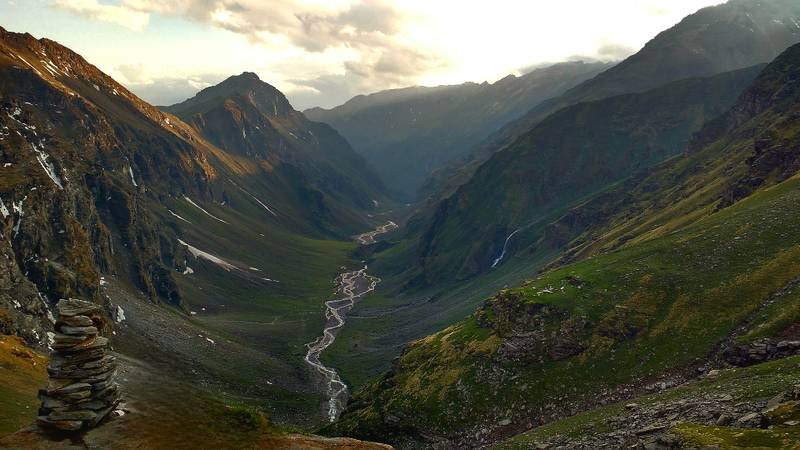
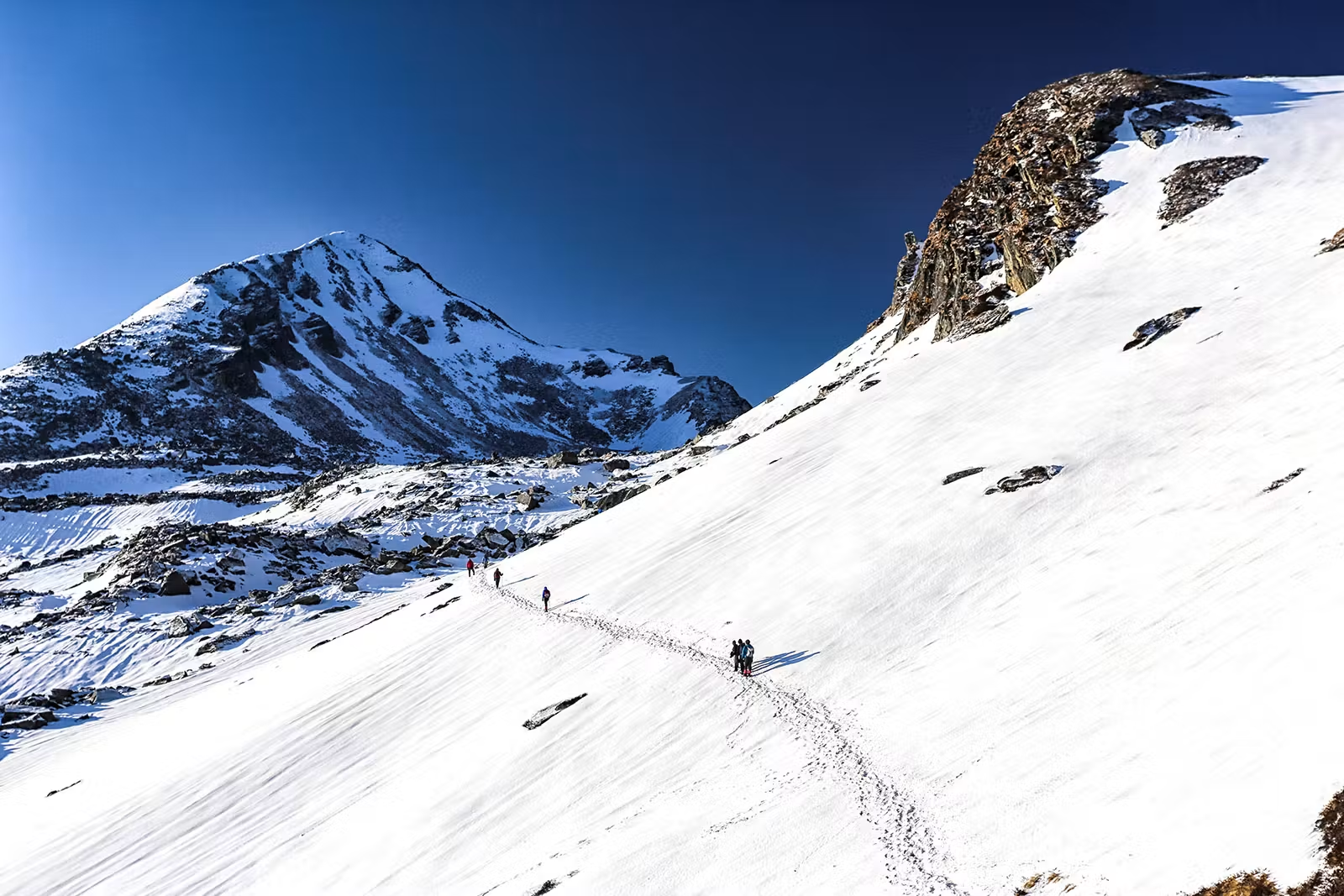
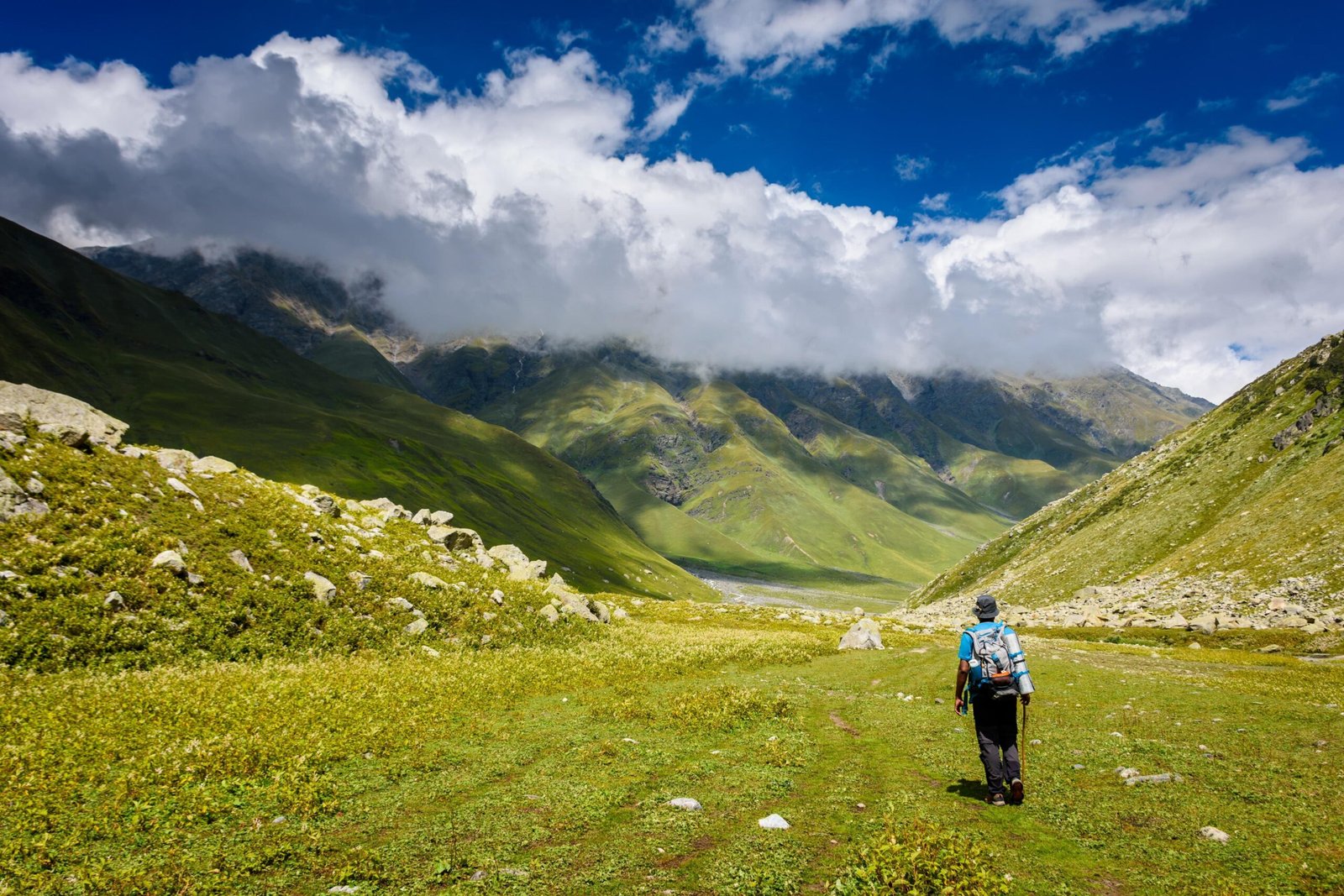
The Rupin Pass Trekis one of the most beautiful high-altitude treks in the Indian Himalayas. It leads trekkers through a series of changing landscapes, starting in the green valleys of Uttarakhand and ending in the snowy mountains of Himachal Pradesh. At an altitude of 15,250 feet, the trek is known for its dramatic landscape transitions. Each stage is distinct, from the pleasant pine and rhododendron forests around Dhaula to the spectacular hanging village of Jakha, the sprawling alpine meadows of Saruwas Thach, and the snow-capped terrain surrounding Rupin Pass.

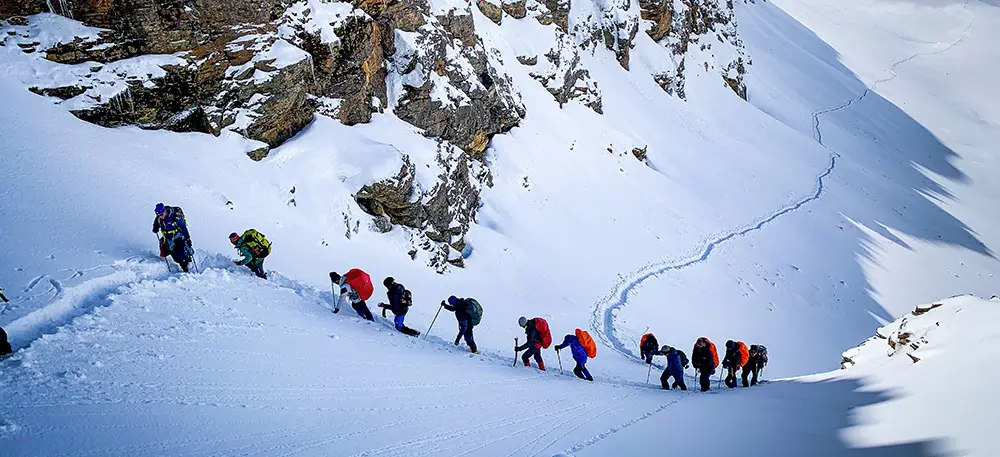
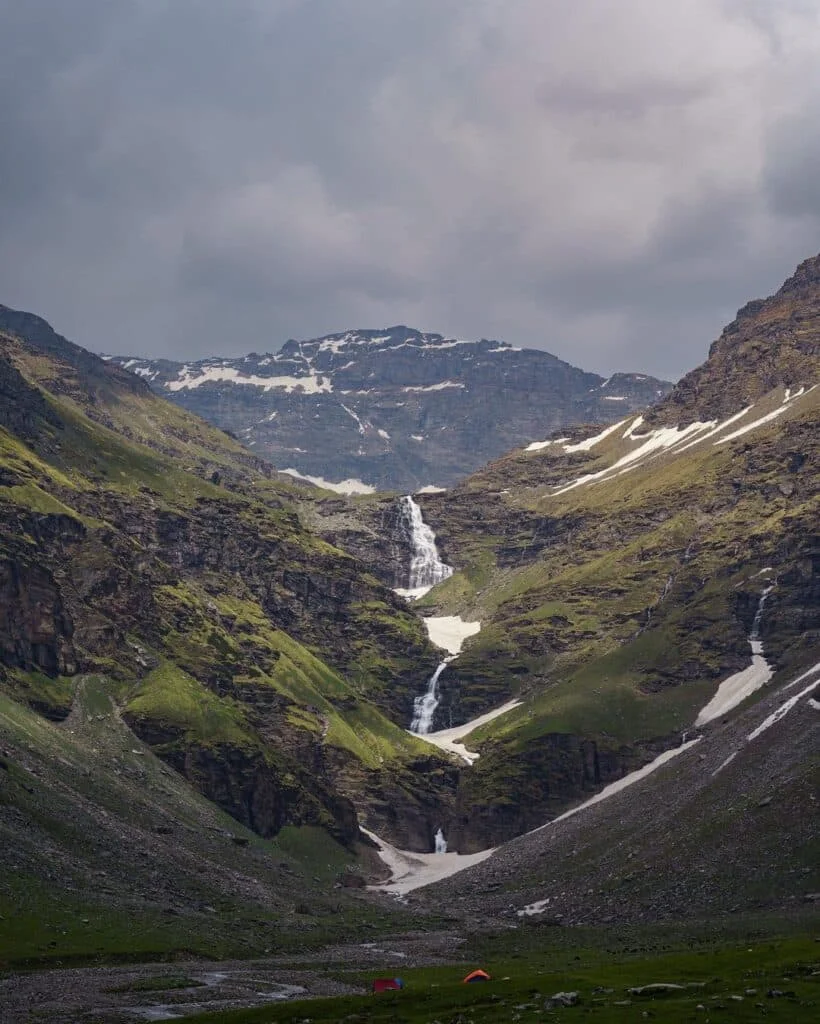
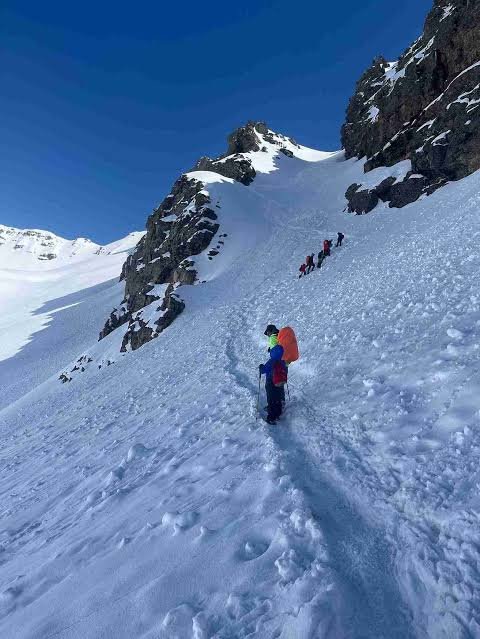
A highlight of the trek is the three-tiered Rupin Waterfall. The trek takes you up each level until you reach the top, where glacier streams and mountain views await. As you get closer to the pass, the trek gets tougher. You’ll cross the famous Rupin Pass Gully, a steep and narrow snowy section that requires strength and balance. At the top, you’re rewarded with wide views of the Kinnaur Kailash Range before heading down into the blue Baspa Valley. With its beautiful views, Himalayan culture, tough treks, and high-altitude adventure, the Rupin Pass Trek is perfect for anyone looking for a real mountain experience. It’s a journey you’ll remember if you want more than an ordinary trek.

Why Is the Rupin Pass Trek So Special?

Many people say the Rupin Pass Trek is one of India’s most varied Himalayan routes. What sets it apart is the variety of scenery you see in just one trek. As you climb higher, the landscape keeps changing.

1. A Spectacular Kaleidoscope of Landscapes

The key attraction of the Rupin Pass Trek is its incredible diversity of terrain. As you walk, the scenery changes from green valleys and old villages to thick oak and rhododendron forests, ancient birch groves, and wide alpine meadows. Higher up, the land turns more rugged, icy, and glacial. In only a few days, you’ll see the land change from waterfalls and forests to open meadows, snowy fields, and high mountain basins. Each part of the trek feels different from the last.

2. The Majestic Three-Tiered Rupin Waterfall

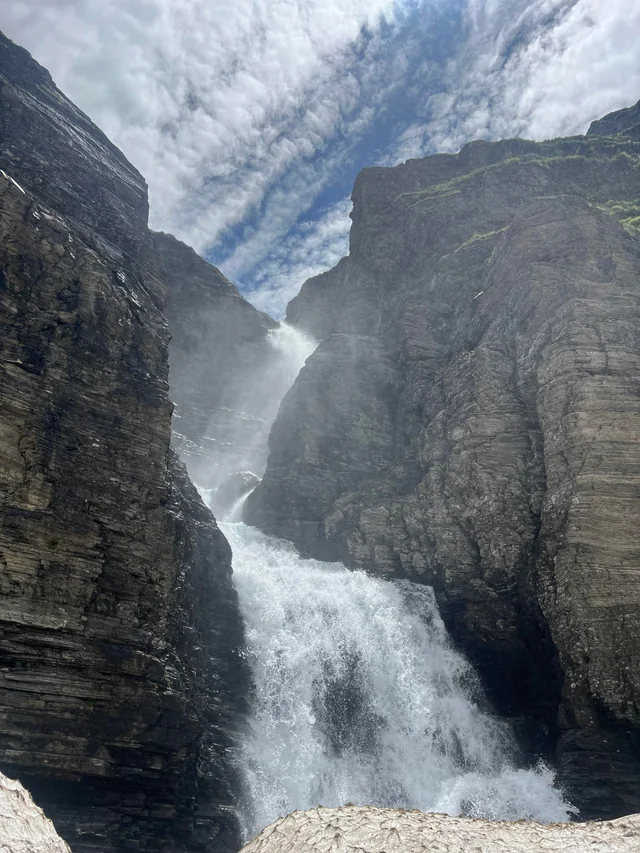
The Rupin Waterfall isn’t just a pretty sight; it’s a key part of the trek. Over a long stretch For a long part of the trek, you’ll walk beside the waterfall as it flows down the mountain, climbing up each level until you reach the top. Near the waterfall, set against imposing cliffs with glacier-fed streams and snow-covered peaks, is one of the most memorable highlights of the trek.

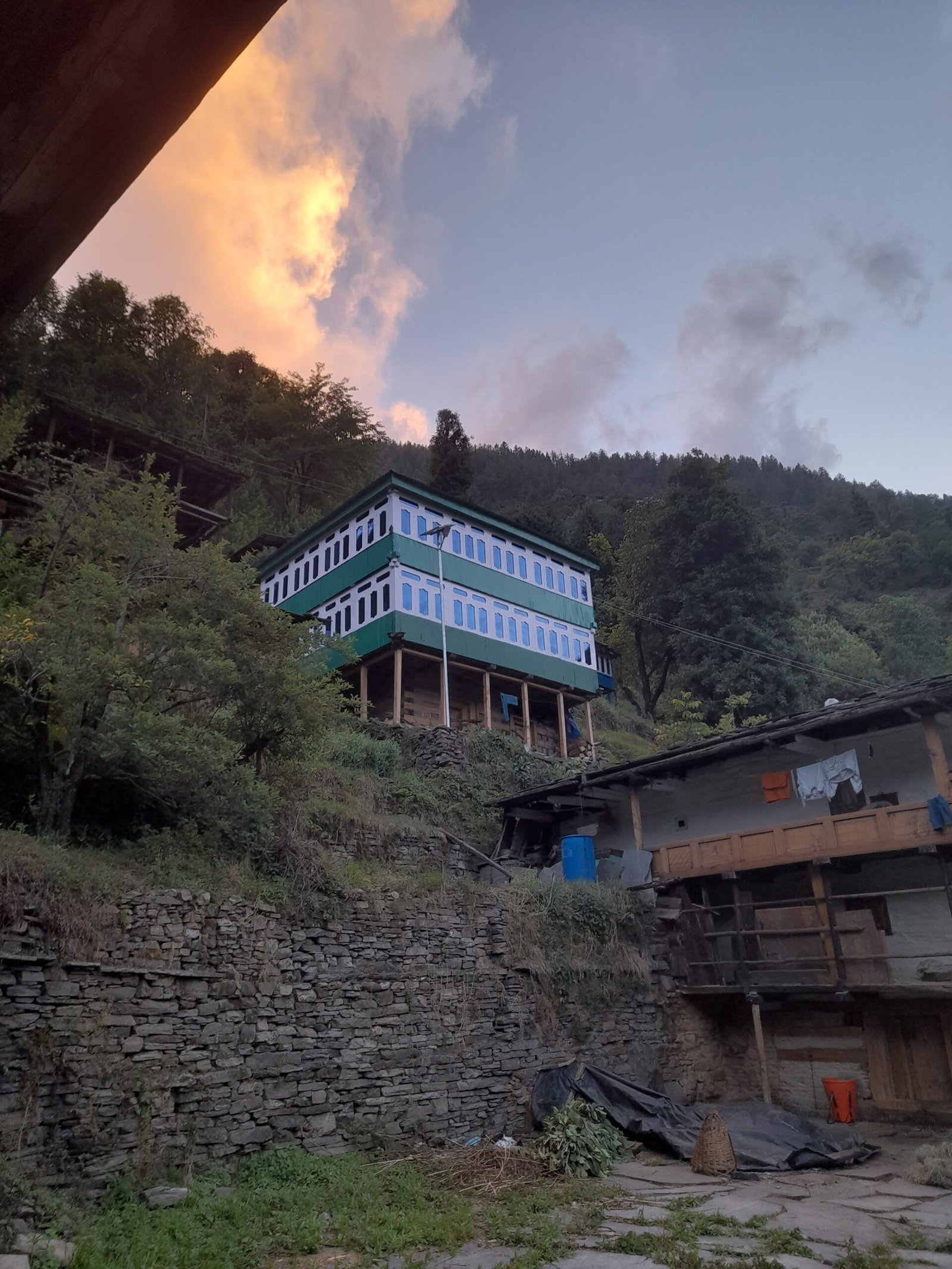
3. Experience the Hanging Village of Jakha

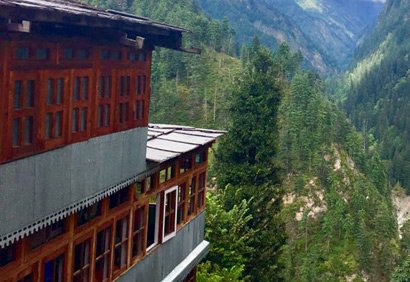
The route passes through Jakha, one of the most fascinating Himalayan villages, perched dramatically on a steep mountainside. Jakha is famous for its classic Himalayan look and unique Kath-Kuni buildings. Walking through the village lets you see how people live in this tough landscape, adding a strong cultural side to the trek. The Himadri Treks Rupin Pass trek isn’t just about reaching the pass. It’s also about meeting the people, exploring the villages, and learning about the traditions that make the Himalayas unique.

5. Crossing the Watershed to Kinnaur

Rupin Pass isn’t just a high spot. It’s also where you cross from one Himalayan valley to another. At the top, you reach the watershed dividing Rupin Valley from Baspa Valley. As you climb the glacier slope, the view opens up to amazing scenes of the Kinnaur Himalayas. The difference is clear: behind you is the rough trek through Rupin Valley, and ahead are the dramatic lands of Kinnaur and the blue Baspa Valley. The first panoramic view from the pass is one of the most rewarding moments of the trek.

Trek Accommodation
Glimpse of Trek Accommodation At Sankri

4. The Enchanting “Narnia” Forests

The Kuari Pass trek also goes through beautiful temperate forests filled with old deodar, rhododendron, and oak trees. Trekkers often call these thick woods the “Narnia Forests” because they feel magical, especially in the cold winter months.

Wildlife & Wilderness:

This peaceful forest is also home to Himalayan wildlife. If you’re lucky, you might spot animals and birds like the Himalayan Monal and the Himalayan Musk Deer while walking through these quiet parts of the trek.

Explore the Kuari Pass with Himadri Treks

With amazing Himalayan views, historic treks, peaceful forests, wide alpine meadows, and snowy scenes in winter, Kuari Pass is perfect for anyone who wants to experience the beauty of the Garhwal Himalayas. At Himadri Treks, we want every mountain trek to be fun, safe, and memorable. From your first steps on the trek to the wide views from the highest ridges, the Kuari Pass Trek lets you go beyond regular tourist spots. It’s one trek with many sights and memories you’ll keep long after your trek ends.

Rupin Pass Trek Itinerary, Route Map & Elevation Chart

This section gives you a clear overview of the Rupin Pass Trek. It covers the daily route, trekking distances, and changes in altitude. The basic itinerary helps you quickly understand the whole journey, while the detailed itinerary explains the distances between campsites, trail conditions, types of terrain, and where each campsite is along the way.

The Rupin Pass Trek map shows the trekking route, villages, forests, rivers, campsites, and main landmarks. It helps you picture your journey through thick Himalayan forests, beautiful meadows, river valleys, rocky paths, and snowy areas.

The Rupin Pass elevation chart shows how much altitude you gain or lose each day. Knowing these changes helps you get fit, set your pace, plan for acclimatization, and feel more confident about the high-altitude parts of the trek. At Himadri Treks, we share these details so you can prepare well and have a safer, more comfortable, and memorable Himalayan trek.

Day 1: Drive from Shimla (7,300 ft.) to Jiskun (7,700 ft.)
🚗 Drive Distance ~200 Km (9–10 hrs)
🧗 Altitude 400 ft. gain
🍴 Meals Evening Tea & Snacks, Dinner
🏕️ Stay Jiskun Campsite
🟢 Mountain Expert Advice: If you experience motion sickness, take your usual medication before starting the drive and keep essential medication easily accessible during the journey.

Day Overview: Today, your adventure into the remote Himalayas begins. We’ll drive about 200 km from Shimla to Jiskun, which usually takes 9 to 10 hours. The elevation gain is only around 400 feet, but the road winds up and down through mountain passes, making the drive feel like a true Himalayan adventure.

Route & Terrain: We’ll leave Shimla early and head toward the remote Pabbar Valley, passing through Narkanda, Rohru, and Chirgaon on the way to Jiskun. The smooth, wider roads near Shimla gradually turn into narrow, winding mountain roads as we enter the remote Himalayan areas.

As we get closer to Jiskun, the landscape becomes more rugged, with steep slopes, sharp bends, deep valleys, and dramatic mountain cliffs. Traveling through these winding roads in the Inner Himalayas makes the journey an adventure of its own.

Scenic Highlights

The drive offers beautiful views of some of Himachal Pradesh’s quieter mountain regions. Along the way, you may see:

  • Vast apple orchards around Kotkhai and Rohru.
  • Dense deodar and blue pine forests.
  • Dramatic Himalayan mountain valleys.
  • The beautiful Pabbar River flowing alongside parts of the route.
  • Distant views of snow-covered Himalayan ranges on clear days.
  • Frequent changes in landscape, so keep your camera handy.

Culture & Local Life: This journey takes you away from the usual tourist destinations and into quieter mountain villages. As you pass through Rohru and Chirgaon, you’ll get a glimpse of traditional Himachali life.

Jiskun is a traditional farming village known for its Himalayan character and local architectural traditions. Stone and wooden buildings reflect centuries-old mountain construction techniques. In the evening, you’ll enjoy warm and hearty food before resting for the trekking days ahead.

Safety & Acclimatization: Although most of today is spent driving, the long hours and winding mountain roads can be tiring. Drink water regularly throughout the journey, especially as you travel through changing elevations. Take short breaks whenever possible, eat light meals, and inform your trek leader if you experience motion sickness, headache, nausea, dizziness, or unusual discomfort.

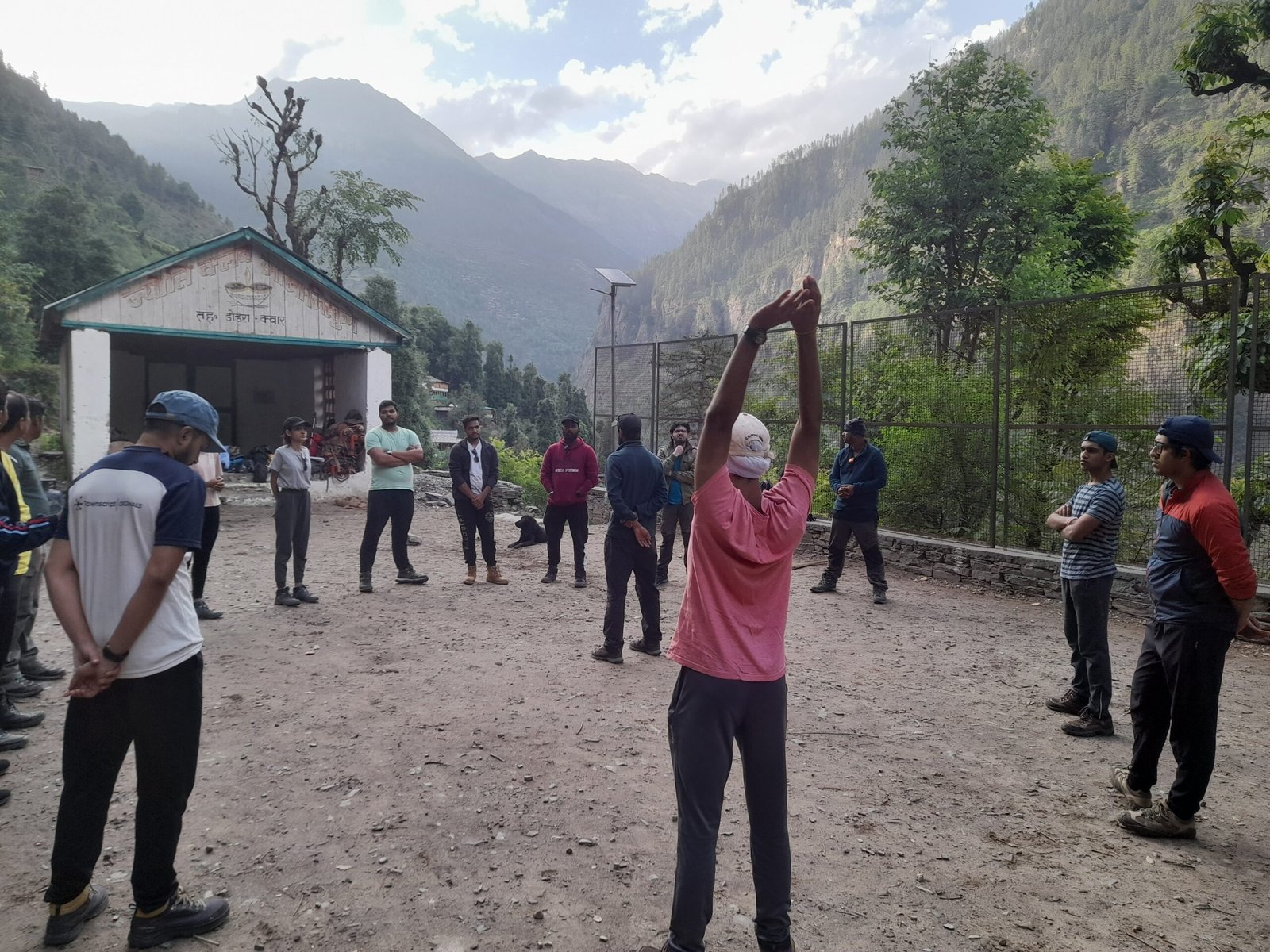
Evening at Jiskun: Arriving in Jiskun is an important moment in your Himadri Treks adventure. This is when the trekking group comes together for the first time.

You’ll meet your trek leader and local mountain guides, who will provide a safety briefing and explain what to expect during the trek. While enjoying a warm cup of tea, you’ll get to know your fellow trekkers and begin building the team spirit that will help throughout the adventure.

Jiskun is also an important preparation point before entering the more remote trekking areas. Electricity and mobile connectivity may be limited, so make sure your phone, camera, power bank, and other essential devices are charged before leaving the area.

Trek Leader’s Advice

  • If you get motion sickness, take your usual medication about 30 minutes before departure, as advised by your doctor.
  • Purchase last-minute snacks, batteries, medicines, and other essentials before leaving Shimla.
  • Carry warm layers because temperatures can drop quickly after sunset in Jiskun.
  • Drink water regularly during the drive.

Stay & Logistics: On arrival in Jiskun, you’ll settle into the campsite and have time to rest after the long drive. Your trek leader will brief you about the upcoming trail, weather conditions, equipment, safety procedures, and the trekking schedule for the following days.
Day 2: Trek from Jiskun (7,700 ft.) to Jakha (8,700 ft.)

🥾 Trek Distance 4 Km (3–4 hrs)
🧗 Altitude Gain 1,000 ft.
🍴 Meals Breakfast, Lunch, Evening Snacks & Dinner
🏕️ Stay Jakha Campsite
🟢 Mountain Expert Advice: Small streams may be available along the route. Refill your water flask only at sources recommended by your trek leader.

Trek Overview: Today you start the Rupin Pass trek with Himadri Treks. The route is about 4 kilometers and usually takes three to four hours. You’ll gain around 1,000 feet in elevation, reaching approximately 8,700 feet at Jakha.

Begin your day with a good breakfast before leaving Jiskun. You’ll have lunch at the campsite, followed by evening snacks and dinner. At Jakha, accommodation may be arranged at a campsite, local homestay, or another suitable local stay depending on availability.

Trail & Terrain

The trek starts with a gentle descent from Jiskun through forests of deodar, pine, and walnut trees. You’ll then enter a narrower section of the valley and cross a bridge over the Rupin River.

After crossing the river, the trail climbs toward Jakha on a stone-paved path with several short zigzags. Although today’s trek is relatively short, it gives you your first real taste of the steep Himalayan terrain on the Rupin Pass route.

Scenic Highlights

  • Views of the Rupin River winding through the valley.
  • Dense Himalayan forests with deodar, pine, and walnut trees.
  • Himalayan birds and peaceful forest surroundings.
  • The landscape opens up as you approach Jakha.
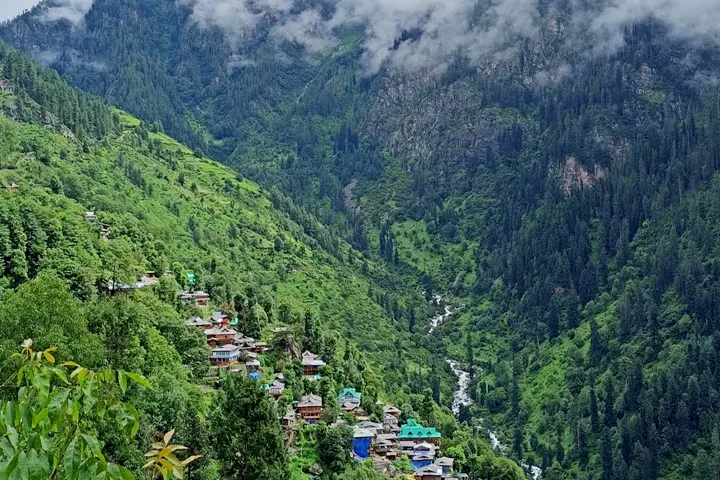
  • Jakha is often called the “Hanging Village” because of the way its houses appear to cling to the mountainside.
  • Traditional Himalayan homes and local village life.
  • Trekkers should respect local cultural and community traditions while passing through the village.

Safety & Acclimatization

  • Maintain a steady and comfortable pace.
  • Stay hydrated throughout the trek.
  • Follow the instructions and pace of your trek leader.
  • Keep rain protection easily accessible.
  • Do not rush the uphill sections even if you feel energetic.

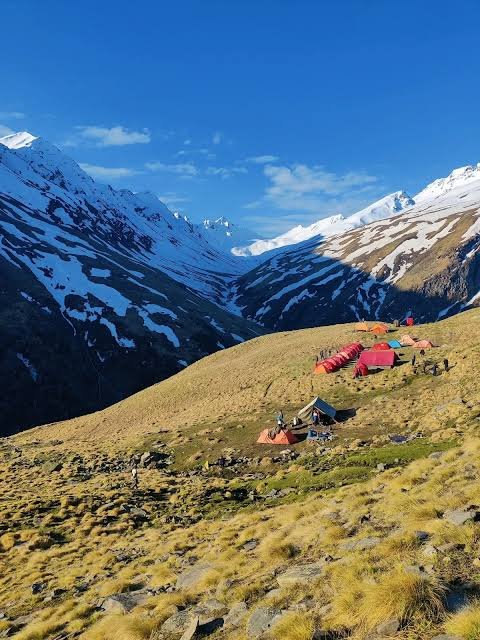
Camp Information: After reaching Jakha, settle into camp, enjoy your evening meal, and rest well for the longer trekking day ahead. The campsite is generally located on relatively level ground in or around the village.

Local shops may be available nearby for basic items such as chocolates, biscuits, snacks, batteries, and other small essentials. Availability can be limited, so do not depend on local shops for important equipment or medication.

Electricity availability may also be limited. Make sure your phone, camera, power bank, and other electronic devices are charged before continuing deeper into the wilderness.

Trek Leader Advice: Use trekking poles, especially during the initial descent, to reduce stress on your knees and improve stability.

  • Refill your water flask only from safe sources recommended by your trek leader.
  • Drink regularly during the ascent to Jakha.
  • Keep your pace slow and steady instead of rushing uphill.
  • Charge your devices while power sources are available.
  • Carry essential snacks because local stores may have limited supplies.
  • Respect local customs and community traditions.
  • Follow the instructions of the Himadri Treks guide regarding water sources and trail conditions.

Day 3: Trek from Jakha (8,700 ft.) to Lower Waterfall (11,700 ft.)

🥾 Trek Distance 11 Km
🧗 Altitude Gain 3,000 ft.
🍴 Meals Breakfast, Lunch, Evening Snacks & Dinner
🏕️ Stay Lower Waterfall Campsite
🟢 Mountain Expert Advice: Water sources may be available along the route. Carry enough water and refill your flask only at reliable sources recommended by your trek leader.

Trek Overview: Today’s trail from Jakha to Lower Waterfall takes you deeper into the Rupin Valley. The route becomes increasingly remote as you move through forests, streams, and rugged Himalayan terrain.

Trail & Terrain

Expect a combination of forest paths, rocky sections, stream crossings, and uphill stretches. The terrain becomes more demanding as you gain altitude, so maintain a consistent pace and take short breaks when needed.

Scenic Highlights

  • Beautiful Himalayan forests and mountain slopes.
  • Rupin River and surrounding valley landscapes.
  • Changing terrain as the trail approaches the waterfall region.
  • Dramatic views of the surrounding Himalayan landscape.

Safety & Acclimatization

You gain significant altitude today. Walk slowly, drink water regularly, eat properly, and immediately inform your trek leader if you experience unusual or worsening symptoms.

Camp Information: Lower Waterfall Camp provides a dramatic mountain setting and prepares you for the higher-altitude terrain of the following days. Rest well and keep your warm layers easily accessible.

Day 4: Trek from Lower Waterfall (11,700 ft.) to Upper Waterfall (13,300 ft.)

🥾 Trek Distance 4 Km (3–4 hrs)
🧗 Altitude Gain 1,600 ft.
🍴 Meals Early Breakfast, Lunch, Snacks & Dinner
🏕️ Stay Upper Waterfall Campsite
🟢 Mountain Expert Advice: Water sources become more limited as you gain altitude. Carry sufficient water from Lower Waterfall and refill only at reliable sources recommended by your trek leader.

Trek Overview: Today you trek from Lower Waterfall to Upper Waterfall, moving deeper into the high-altitude section of the Rupin Pass route. The trail is shorter than the previous day but involves a noticeable altitude gain.

Trail & Terrain

The route includes rocky and uneven mountain sections with increasingly sparse vegetation. As you climb higher, the landscape becomes more open, rugged, and alpine in character.

Scenic Highlights

  • Rupin Waterfall and dramatic mountain surroundings.
  • High-altitude landscapes of the Rupin Valley.
  • Changing vegetation as the trail approaches Upper Waterfall.
  • Increasingly dramatic views of the surrounding Himalayan terrain.

Safety & Acclimatization

  • Keep a slow, steady pace on the ascent.
  • Stay hydrated and take regular short breaks.
  • Keep warm layers and gloves accessible.
  • Follow your trek leader carefully on rocky sections.
  • Inform your trek leader immediately if you feel unwell at altitude.

Camp Information: After reaching Upper Waterfall Camp, rest well and prepare for the demanding Rupin Pass crossing the next day. Keep your equipment organised so you can start early in the morning.

Day 5: Trek from Upper Waterfall (13,300 ft.) to Rupin Pass (15,300 ft.) to Ronti Gad (12,300 ft.)

🥾 Trek Distance 10 Km (9–10 hrs)
🧗 Altitude Gain & Loss 2,000 ft. gain / 3,000 ft. descent
🍴 Meals Breakfast, Lunch, Snacks & Dinner
🏕️ Stay Ronti Gad Campsite
🟢 Mountain Expert Advice: Start early, keep a steady pace, and stay close to your trek team while crossing Rupin Pass. Weather can change rapidly at high altitude, so keep your warm and waterproof layers easily accessible.

Trek Overview: Day 5 is the most challenging and rewarding stage of the Rupin Pass Trek. You climb from Upper Waterfall at approximately 13,300 feet to Rupin Pass at around 15,300 feet before descending toward Ronti Gad at approximately 12,300 feet.

Trail & Terrain

The trail becomes steep, rocky, and potentially snow-covered depending on the season. Weather can change quickly near the pass, so the group must stay together and follow the trek leader’s route carefully.

Scenic Highlights

  • Rupin Pass and its dramatic high-altitude surroundings.
  • Snowfields and alpine landscapes during suitable seasons.
  • Wide Himalayan views from the pass.
  • Dramatic descent toward the remote Ronti Gad campsite.

Safety & Acclimatization

  • Start early and maintain a steady pace.
  • Keep warm and windproof layers easily accessible.
  • Use trekking poles where appropriate.
  • Stay with the group and follow the trek leader at all times.
  • Report symptoms of altitude sickness immediately.
  • Do not rush while approaching or crossing the pass.

Camp Information: After crossing Rupin Pass, descend toward Ronti Gad and rest after this demanding high-altitude day. Temperatures can drop significantly at night, so keep your sleeping and warm-weather equipment ready.

Day 6: Trek from Ronti Gad (12,300 ft.) to Sangla (8,800 ft.) & Drive to Shimla (7,300 ft.)

🥾 Trek Distance 12 Km (Approx. 10 hrs)
🧗 Altitude Loss 5,000 ft. overall descent
🚗 Return Drive ~200 Km (9–10 hrs)
🍴 Meals Breakfast included & lunch in Sangla at own cost
🟢 Mountain Expert Advice: Carry enough water for the descent and refill only at reliable sources recommended by your trek leader.

Day Overview: Your final trekking day takes you from Ronti Gad down to Sangla. After reaching Sangla, you continue by road toward Shimla. The long descent marks the end of the trekking portion of your Rupin Pass adventure.

Trail & Terrain

The trail gradually descends through changing Himalayan landscapes. After several days at high altitude, the lower valleys and settlements around Sangla signal your return toward civilization.

Departure Tips

  • Use trekking poles during the long descent.
  • Stay hydrated throughout the day.
  • Keep essential belongings easily accessible.
  • Carry a small snack for the road journey.
  • Keep your onward travel plans flexible because mountain roads can be affected by traffic, weather, or road conditions.

Return Journey: After reaching Sangla, the road journey continues toward Shimla. Keep your return travel plans flexible and allow sufficient buffer time before booking flights, trains, or buses from Shimla.

Trek Summary

Day Route Distance Altitude
Day 1 Shimla → Jiskun ~200 km Drive 7,300 ft → 7,700 ft
Day 2 Jiskun → Jakha 4 km Trek 7,700 ft → 8,700 ft
Day 3 Jakha → Lower Waterfall 11 km Trek 8,700 ft → 11,700 ft
Day 4 Lower Waterfall → Upper Waterfall 4 km Trek 11,700 ft → 13,300 ft
Day 5 Upper Waterfall → Rupin Pass → Ronti Gad 10 km Trek 13,300 ft → 15,300 ft → 12,300 ft
Day 6 Ronti Gad → Sangla → Shimla 12 km Trek + ~200 km Drive 12,300 ft → 8,800 ft → 7,300 ft

Rupin Pass Trek Route Map and Elevation Chart

Trek Map

To assist you with your upcoming Rupin Pass Trek, we have created an encompassing trek route map. This map provides an overview of the entire trek, from your departure through the major campsites, the Rupin Pass crossing, and the descent toward Sangla.

The map includes significant waypoints, trails, elevations, points of interest, terrain, distances between campsites, and approximate trekking durations.

Rupin Pass Trek Route Map

Altitude Chart

The Rupin Pass Trek Elevation Chart provides useful information to help trekkers understand altitude changes throughout the trek.

The chart shows elevation gain and loss at each major stage, helping trekkers plan their pace and understand how their body may respond to higher elevations.

Rupin Pass Trek Elevation Chart

Trek Difficulty

How Difficult Is Rupin Pass Trek?

Rupin Pass is a challenging high-altitude Himalayan trek known for steep ascents, changing terrain, snow-covered sections and the dramatic Rupin Pass crossing. Good fitness, acclimatization and proper preparation are essential for completing the trek comfortably and safely.

Overall Difficulty
Challenging
Challenging Trek
Easy Moderate Challenging

The Rupin Pass Trek requires a good level of physical fitness and the ability to walk for several hours on consecutive days. The route includes steep climbs, rocky and uneven trails, river crossings and high-altitude terrain. The approach to Rupin Pass can be particularly demanding because of steep snow sections and significant elevation gain.

🥾

Fitness Required

Good endurance and regular cardio training are recommended before the trek.

⛰️

Varied Terrain

Expect forests, meadows, rocky trails, steep climbs, snow and river crossings.

High Altitude

The trek reaches around 15,250 ft, making gradual acclimatization and pacing important.

❄️

Pass Crossing

The Rupin Pass crossing involves steep sections and can be physically demanding.

Is Rupin Pass Trek Suitable for You?

Rupin Pass is best suited for trekkers with good physical fitness and some previous high-altitude trekking experience. You should be comfortable walking for 6–8 hours on mountain trails and handling steep ascents and descents. Beginners should undertake structured endurance training well before the trek and should be prepared for rapidly changing mountain conditions.

🏃 Build Endurance Practice long walks, jogging, stair climbing and cardio exercises several weeks before starting the trek.
🎒 Train With a Backpack Include backpack training during your preparation to build strength and endurance for mountain walking.
❄️ Prepare for Snow Train for steep terrain and be prepared for snow-covered sections, especially around the Rupin Pass crossing.

Best Time for Rupin Pass Trek: Season by Season Guide

The Rupin Pass Trek is a spectacular high-altitude Himalayan adventure known for dramatic changes in landscape, from lush forests and green meadows to waterfalls, snowfields and the rugged Rupin Pass. The best time to undertake the trek depends largely on snowfall, trail conditions, temperature and your preferred trekking experience.

The main trekking seasons offer very different experiences. May and June bring a beautiful combination of melting snow, green landscapes and mountain views, while September and October generally offer clearer skies, crisp weather and excellent visibility. Winter brings heavy snow and much harsher conditions, making the route unsuitable for regular Rupin Pass trekking operations.

Rupin Pass Trek: Month by Month Breakdown

Explore the seasonal conditions below to understand the weather, snow, trail conditions and overall trekking experience you can expect on the Rupin Pass Trek.

May – June (Best Spring & Early Summer Window)

❄ Snow: Moderate to high at higher sections
🌡 Temperature: Pleasant days / Cold nights

May and June are among the most popular periods for the Rupin Pass Trek. Snow remains on the higher sections of the trail, creating beautiful landscapes around the pass while lower valleys become greener and more vibrant.

Trekkers can experience forests, meadows, waterfalls, snow bridges and high mountain scenery during the same trek. Conditions can still be demanding near Rupin Pass, so proper equipment and experienced guidance are important.

Rupin Pass Trek in May and June

July – August (Monsoon Season)

🌧 Rain: Frequent in lower and middle sections
🥾 Trails: Wet, slippery & challenging

The monsoon season brings frequent rainfall to the Himalayan valleys along the Rupin Pass route. Trails can become muddy and slippery, while waterfalls and streams may carry significantly more water.

Due to unpredictable weather, difficult trail conditions and the increased risk of landslides on approach roads, July and August are generally not considered the preferred months for the Rupin Pass Trek.

Rupin Pass Trek during Monsoon

September – October (Clear Skies & Autumn Window)

☀ Weather: Mostly clear and stable
🏔 Views: Excellent Himalayan visibility

September and October are excellent months for experiencing the Rupin Pass Trek after the monsoon season. The skies generally become clearer, the surrounding mountains appear sharper and the valleys begin taking on beautiful autumn colours.

Trail conditions are generally more favourable than during the monsoon period, although weather at higher elevations can change quickly. October also brings colder nights and the possibility of early snowfall toward the end of the season.

Rupin Pass Trek in Autumn

November – April (Winter & Heavy Snow Period)

❄ Snow: Very high at higher elevations
🌡 Temperature: Frequently below freezing

Winter brings heavy snowfall and extremely cold conditions to the higher reaches of the Rupin Pass route. Deep snow can cover the trail and make the pass crossing significantly more technical and demanding.

Because of heavy snowfall, severe weather and difficult trail conditions, the Rupin Pass route is generally closed or not operated during the core winter months. Trekkers should follow the latest route and safety advice before planning any winter expedition.

Rupin Pass Trek in Winter Snow

Advice by Himadri Treks Expert Team

Rupin Pass is a high-altitude pass crossing where weather and trail conditions can change rapidly. Choosing the right season is important for both safety and the overall trekking experience. Our team recommends checking current trail conditions before departure and preparing according to the expected weather.

  1. Choose the Right Season: May–June and September–October are generally the most suitable windows for the Rupin Pass Trek.
  2. Prepare for Snow: Snow can remain around the higher sections even during the main trekking season, so carry appropriate layers and follow your trek team's equipment advice.
  3. Be Ready for Changing Weather: Himalayan weather can change quickly at high altitude. Carry waterproof layers, warm clothing and suitable trekking shoes with good grip.

How to Plan Your Travel for Rupin Pass Trek

Are you excited to begin your Rupin Pass Trek adventure? The journey starts from Shimla, where trekkers assemble before heading towards Jiskun, the trek's base village. In this section, Himadri Treks guides you through the complete travel process – from reaching Shimla from your hometown to traveling from Shimla to Jiskun.

You can reach the pickup point in Shimla by flight, train, or bus. Since each mode of transport has different schedules and travel times, planning your arrival will help you begin your trek smoothly and comfortably.

Since the trek involves a long mountain approach and a high-altitude pass crossing, it is important to arrive at the pickup point on time and allow enough buffer for travel delays. Whether you are travelling by flight, train, bus, or private vehicle, planning your journey in advance will help you start the Rupin Pass Trek comfortably and without unnecessary last-minute stress.

Modes of Transport to Reach Shimla (Base Pickup City)

There are several convenient ways to reach Shimla, including flights via Chandigarh, trains via Kalka, and direct buses from major cities. Flight, train, and bus schedules can change depending on the day and season, so we recommend checking the latest timings before booking your journey.

For a comfortable start to your Rupin Pass Trek, plan to reach Shimla at least one day before the scheduled drive to Jiskun. The journey from Shimla to Jiskun takes approximately 9–10 hours, depending on road and weather conditions.

1. By Flight (Fastest Option)

The nearest major airport for reaching Shimla is Chandigarh International Airport, located approximately 118 km from Shimla. Chandigarh has regular flight connectivity with major Indian cities, including Delhi, Mumbai, Bengaluru, and other metropolitan destinations.

After arriving at Chandigarh Airport, you can continue to Shimla by private taxi or bus. Because the onward journey to Jiskun is long, we recommend reaching Shimla a day before the trek's scheduled departure.

Himadri Treks Suggestion: Avoid planning a same-day flight connection with the Shimla-to-Jiskun drive. Arriving in Shimla one day earlier provides a useful buffer against flight delays and gives you time to rest before the mountain journey.

2. By Train (Convenient Option)

Kalka Railway Station is the nearest major railway station to Shimla, approximately 86 km away. From Kalka, you can continue to Shimla by taxi, bus, or the famous Himalayan toy train.

Travelers coming from Delhi and other major cities can find several train options to Kalka, including services suitable for overnight travel. During the winter season, advance booking is recommended, especially if you prefer AC or sleeper accommodation.

From Kalka, the road journey to Shimla generally takes several hours, depending on traffic and weather conditions.

Himadri Treks Suggestion: Reach Shimla at least one day before your scheduled pickup for Jiskun so that unexpected train or road delays do not affect your trek.

3. By Bus (Budget-Friendly Option)

Shimla is well connected by road with Delhi, Chandigarh, Punjab, Haryana, Rajasthan, and several other parts of North India. Travelers can choose from Volvo, AC, sleeper, and ordinary bus services depending on their budget and preferred travel time.

Overnight buses from Delhi to Shimla are particularly convenient for trekkers. The journey generally takes around 8–11 hours, depending on traffic, weather, and road conditions.

You can check current bus availability through major online bus-booking platforms or state transport services.

Himadri Treks Suggestion: An overnight Volvo or AC sleeper bus can be a convenient option if you want to reach Shimla early in the morning. Make sure you allow enough time to rest before beginning the onward journey.

4. By Private Vehicle (Flexible Option)

Trekkers travelling with friends or family can also reach Shimla by private car or taxi. This provides greater flexibility with departure times and can be convenient for groups carrying trekking equipment and luggage.

If you are driving from another city, plan your journey carefully and allow sufficient time for traffic, weather, and mountain-road conditions.

How to Reach the Trek Base: Jiskun from Shimla (Rupin Pass Trek Starting Point)

The journey from Shimla to Jiskun is approximately 200 km and usually takes around 9–10 hours, depending on road, traffic, and weather conditions.

The drive takes you through the beautiful Pabbar Valley, offering a gradual transition from the busy surroundings of Shimla to remote Himalayan landscapes. The route passes through areas such as Theog, Kotkhai, Kharapathar, and Rohru, with apple orchards, mountain villages, and dramatic valley views along the way.

Rohru is one of the important towns on the route and can be a useful point for basic supplies and cash before continuing deeper into the mountains. Beyond Chirgaon, the road becomes narrower and more rugged as the landscape becomes increasingly remote.

Eventually, you reach Jiskun, an ancient Himalayan village and the base point for the Rupin Pass Trek. Spending the night here allows you to rest after the long drive and prepare mentally and physically for the trekking days ahead.

Means of Transport from Shimla to Jiskun (Base Village)

1. Himadri Treks Vehicle (Recommended Option)

If you book transportation with Himadri Treks, the vehicle will be arranged according to the group size. Depending on the number of trekkers, transportation may include a Tempo Traveller, Bolero, Innova, or suitable vehicle.

The vehicle will pick you up from the designated pickup point in Shimla and take you safely to Jiskun. Our transportation is planned to provide trekkers with a comfortable and convenient journey to the trek base.

2. Public Transport Bus (Budget Option)

Trekkers may also use public transport to travel from Shimla towards the Jiskun region. However, bus services towards the remote mountain villages are limited and schedules may vary.

If you choose public transport, check the latest local bus timings in advance and allow sufficient buffer for delays or changes in service.

3. Private Taxi or Cab (Flexible Option)

A private taxi is another option for reaching Jiskun from Shimla. This can be convenient for trekkers travelling in small groups who prefer a more flexible departure time.

Since the route becomes increasingly remote after the major towns, confirm the complete route, vehicle availability, and estimated travel time with the driver before starting your journey.

Himadri Treks Travel Advice

Plan your journey with enough time for unexpected delays. Mountain roads can be affected by traffic, weather, road conditions, or temporary closures. Reaching Shimla a day before the scheduled departure to Jiskun is strongly recommended for a relaxed start to your Rupin Pass Trek.

The Essential Rupin Pass Trek Packing List: Pack for Adventure & Safety

Are you excited to start your Rupin Pass Trek? Our expert trek leader will provide a packing list that is easy to carry and remember. From their experiences and years of expertise working in high altitude, they have created a packing list from head to toe to provide you with a simple and safer option for tackling the demanding conditions of the Rupin Pass trail. Packing for your trek is all about safety, comfort, and performance. As trek leaders and experienced mountaineers who have guided trekkers through high-altitude Himalayan terrain, we understand how important the right gear is for a safe and enjoyable trekking experience. So, we have created this packing list for your convenience while planning your Rupin Pass Trek. Below, we have mentioned the essential packing philosophy, strategic gear list, and important tips to remember while preparing for this high-altitude trek.

Himadri Treks

Trek Packing List

Pack smart, trek light and stay prepared. Use our interactive packing checklist to make sure you carry everything you need for a safe and comfortable Himalayan trek.

0%
Packing Progress 0%
Items Packed 0
Total Items 0
C

Clothing

0 / 0
Quick-dry trekking T-shirts Essential
Trekking pants Essential
Warm fleece jacket
Down / insulated jacket
Thermal inner layers
Waterproof jacket / poncho
Woollen cap and gloves
Trekking socks
G

Trek Gear

0 / 0
Trekking backpack Essential
Backpack rain cover
Trekking shoes Essential
Headlamp / torch Essential
Trekking poles
Water bottles / hydration bladder
Sunglasses
Sleeping bag
P

Personal

0 / 0
Sunscreen SPF 30+
Lip balm
Personal toiletries
Personal medicines
Small first-aid kit
Hand sanitiser
Wet wipes / tissues
Power bank
D

Documents

0 / 0
Government ID proof Essential
Photocopy of ID
Passport-size photographs
Trek permits / required documents
Emergency contact details

Add your own item

Your Trek Pack 0 of 0 items packed

Rupin-Pass Trek Cost & Inclusions

Total Trek Cost - ₹15,550 per person + 5% GST (Applicable)

Pricing is a key part of your trekking journey. It defines the value and experience you receive for the price you pay for your trek. For a structured high-altitude trek like Rupin Pass, operated by Himadri Treks, we provide full transparency about the cost and amenities offered to our trekkers. Inclusions clarify the operator’s responsibilities, covering all essential services, logistical support, group equipment, and permits required for a safe, fully supported trek from start to finish. Exclusions clarify the individual’s responsibilities for expenses related to personal choices (such as hiring a porter), necessary contingency items (such as insurance), or mandatory fees charged outside the package price (such as GST). Total Trek Cost: Rs 15,550 per person + 5% GST (mandatory).

Our inclusions cover all essential services required during the expedition, while exclusions include personal expenses and optional services that vary from trekker to trekker.

1. Pre-Trek Assistance by Himadri Treks

Your trekking experience begins well before you arrive in the mountains. Our experienced trekking coordinators provide complete guidance before your departure, helping you prepare both physically and mentally for your Himalayan adventure.

Our pre-trek support includes:

  • Personal trek assistance
  • Fitness and training guidance
  • Packing checklist
  • Weather and clothing recommendations
  • Travel planning assistance
  • Trek preparation tips
  • Answers to all your trekking queries

We ensure that every trekker arrives well-prepared and confident.

2. What's Included During the Trek

Our Kuari-pass Trek package covers all the essential services required for a safe and enjoyable trekking experience.

🏡 Accommodation
  • 2 nights in a homestay with triple or quad sharing.
  • 4 nights in dome-style tents on a sharing basis. You will stay in high-quality tents that offer excellent hygiene and reliable water- and windproof protection.

All camps are selected for safety, comfort, and spectacular Himalayan views.

🍽️ Meals

Enjoy freshly prepared, nutritious vegetarian meals throughout the trek. Your package includes:

  • Dinner on Day 1
  • Breakfast, Lunch, Evening Snacks & Dinner during the trek
  • Breakfast on the final day
  • Tea/Coffee served daily

Our experienced kitchen team prepares hygienic and wholesome meals to keep you energized at high altitude.

🏕️ Trekking Equipment

We provide premium trekking and camping equipment, including:

  • High-altitude sleeping bags
  • Sleeping mats
  • Spacious alpine tents
  • Dining tent & Kitchen tent
🦺 Safety Equipment

Your safety is our highest priority. Every trek is equipped with:

  • First-aid medical kit & Emergency communication support
  • Oxygen cylinder & Pulse oximeter
  • Microspikes (during snow season)
  • Gaiters (during winter departures)
👨‍🏫 Experienced Trek Leaders & Support Staff
  • All treks are led by experienced and trained mountain professionals who prioritize your safety while ensuring you enjoy every moment.
  • Our experienced local guides, cooks, helpers, and support staff work throughout the trek to make your journey comfortable.
📄 Forest Permits & Camping Charges

All required forest permits, camping fees, and trek management charges are included in your package.

What's Not Included

The following are not included in the trek cost:

  • 5% GST
  • Personal trekking gear and clothing
  • Backpack offloading or porter services
  • Personal expenses (shopping, snacks, beverages, etc.)
  • Travel insurance
  • Any emergency evacuation expenses
  • Costs arising due to weather delays, roadblocks, landslides, or other unforeseen circumstances
  • Any services not specifically mentioned under "Inclusions"

Why Choose Himadri Treks?

✔ Experienced Mountain Experts
✔ Safe & Well-Planned Itineraries
✔ Premium Camping Equipment
✔ Fresh & Nutritious Meals
✔ Small Trekking Groups
✔ Transparent Pricing & No Hidden Charges
✔ Local Himalayan Guides
✔ 24×7 Pre-Trek Assistance

Frequently Asked Questions About Rupin-pass Trek

The Rupin Pass Trek is a high-altitude Himalayan trek that takes you through forests, remote villages, meadows, waterfalls, river crossings, snow-covered trails and the dramatic Rupin Pass. It is known for its constantly changing landscapes and challenging mountain terrain.

The Rupin Pass Trek is considered a moderate to difficult high-altitude trek. Trekkers should be prepared for long walking days, steep ascents and descents, high-altitude terrain and changing weather conditions. Good fitness and proper acclimatization are important.

The best time to do the Rupin Pass Trek is usually before or after the monsoon, when the weather is good and the views of the Himalayas are beautiful. Conditions can change based on snowfall, weather, and how accessible the trek is.

The highest point on the Rupin Pass Trek is about 15,250 feet. Since you gain a lot of altitude, it’s important to acclimatize, trek at a steady pace, and drink plenty of water during the trek.