
Essential Things to Carry on a Himalayan Trek: Complete Packing Guide
A practical Himalayan trekking packing guide covering backpacks, shoes, clothing, winter layers, medicines, safety essentials, personal gear and responsible trekking.
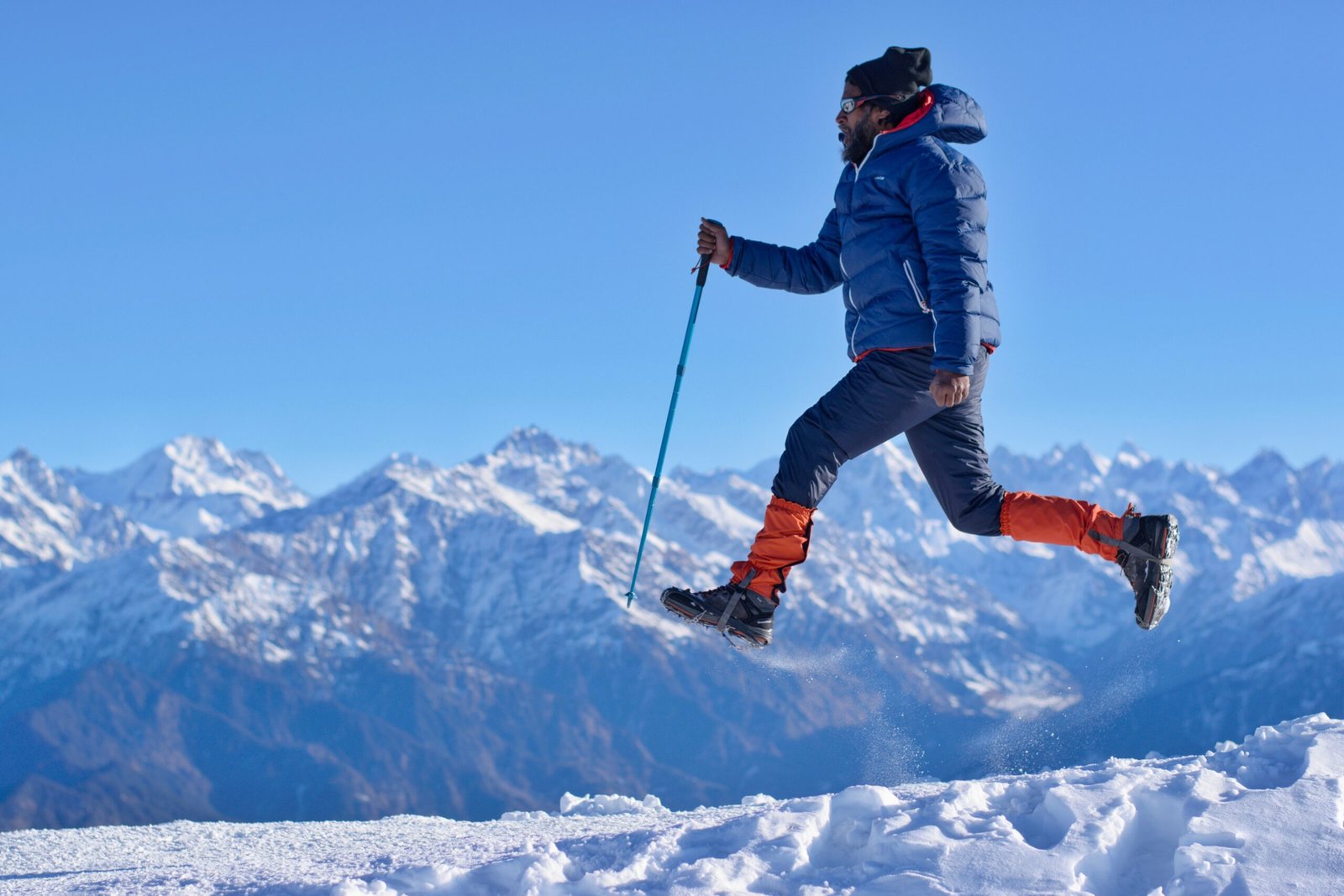
Packing correctly for a Himalayan trek can make the difference between a comfortable mountain journey and a difficult one. Himalayan trails can expose trekkers to rapidly changing weather, low temperatures, strong sunlight, rain, snow, wind, and long hours of walking.
Whether you are preparing for Kedarkantha, Har Ki Dun, Kuari Pass, Hampta Pass, Valley of Flowers, or another Himalayan trek, carrying the right equipment is essential for comfort, safety, and responsible trekking.
The key is not to carry everything you might need. Instead, carry the right equipment in the right quantity while keeping your backpack as light as practical.
This Himadri Treks guide covers the essential things you should consider carrying on a Himalayan trek.
1. Trekking Backpack
A good backpack is one of the most important pieces of trekking equipment.
For most multi-day Himalayan treks, a 40–60 litre backpack is generally suitable, depending on the duration, season, and whether personal luggage is being carried by you or transported separately.
What to Look For
Avoid carrying unnecessary items. A heavy backpack increases fatigue and can make steep climbs considerably harder.
Carry a Small Daypack When Required
On certain trek days, particularly summit attempts or acclimatization walks, you may only need necessary items such as water, snacks, sunglasses, an extra layer, and personal medicines.
A lightweight daypack is useful in such situations.
2. Proper Trekking Shoes
Your footwear is one of the most important parts of your trekking equipment.
Regular sports shoes or casual sneakers may not provide sufficient grip, ankle support, or protection on Himalayan trails.
Choose Shoes With
Your shoes should already be comfortable before you begin the trek.
Wear your trekking shoes on several walks before your departure. This helps identify pressure points and reduces the risk of blisters during the trek.
For winter or snow treks such as Kedarkantha and Brahmatal, suitable footwear becomes even more important because trails may contain snow, slush, and ice.
3. Trekking Socks
Carry multiple pairs of comfortable trekking socks.
You should generally have a combination of regular trekking socks and warmer socks when traveling in colder conditions.
Avoid cotton socks where possible for strenuous trekking because cotton retains moisture and stays wet for longer.
Keeping at least one pair of socks completely dry for camp or sleeping may greatly improve comfort.
4. Base Layers and Thermals
A good layering system is much more effective than carrying one extremely heavy jacket.
The first layer is your base layer, worn close to the skin. For cold Himalayan treks, carry thermal upper and lower layers.
Base Layers Help To
Avoid wearing too many layers while actively climbing if you begin sweating heavily. Wet clothing can make you feel much colder when you stop walking.
5. Fleece or Warm Mid Layer
A fleece jacket works as an insulating middle layer between your thermal clothing and outer jacket.
Fleece is popular for trekking because it is relatively lightweight, warm, and comfortable.
Depending on the expected temperature, you may carry one or more insulating layers.
6. Down or Padded Jacket
A warm insulated jacket is essential for many high-altitude Himalayan treks, particularly during winter and colder seasons.
Temperatures can fall rapidly after sunset, especially at higher campsites.
A good down or synthetic padded jacket provides insulation when you are resting at camp or trekking in extremely cold conditions.
Remember that the jacket required for a summer trek may be very different from what you need for a December or January snow trek.
7. Waterproof and Windproof Jacket
Mountain weather can change quickly.
A clear morning can sometimes turn into rain, snow, or strong wind later in the day.
Your Outer Layer Should Protect You From
This outer layer should be large enough to fit comfortably over your insulating layers.
8. Trekking Pants
Carry comfortable, quick-drying trekking pants.
Avoid jeans for trekking. Denim is heavy, restricts movement, absorbs water, and takes a long time to dry.
Good trekking pants should allow comfortable movement during steep climbs and descents.
Depending on trek duration, carrying two or three trekking pants is generally sufficient for many Himalayan itineraries.
9–14. Cold and Sun Protection Essentials
Warm Cap / Balaclava
Useful during summit starts, cold evenings, high camps, snowfall and windy conditions.
Sun Cap
Protects your head and face during exposed daytime trekking.
Trekking Gloves
Choose lightweight or insulated gloves according to the expected weather.
UV Sunglasses
Essential at altitude and particularly important when trekking over snow.
Sunscreen
Use suitable broad-spectrum protection even during cold weather.
Lip Balm
Helps protect against cold air, wind, dryness and strong sunlight.
9. Warm Cap or Balaclava
A warm woolen cap or balaclava is essential for cold conditions. For winter treks, a balaclava can provide additional protection for your ears, neck, and face.
10. Sun Cap
Strong sunlight is common at altitude. Carry a lightweight sun cap or hat for daytime trekking.
11. Trekking Gloves
Carry gloves appropriate for the expected weather. If snow is expected, water-resistant or waterproof outer gloves can provide additional protection.
12. UV-Protected Sunglasses
UV exposure increases with altitude, and sunlight reflected from snow can be extremely intense.
Good UV-protection sunglasses help reduce the risk of painful eye injury, including snow blindness.
13. Sunscreen
UV exposure can be strong at higher elevations even when temperatures are low. Reapply sunscreen during long days outdoors.
14. Lip Balm
Cold air, wind, dry conditions, and strong sunlight can quickly cause dry or cracked lips.
15. Trekking Pole
A trekking pole can reduce stress on your knees and improve balance.
Where Trekking Poles Help Most
16. Headlamp
Every trekker should carry a personal headlamp.
A headlamp is preferable to relying only on your phone’s flashlight because it keeps your hands free.
It becomes especially useful during early summit starts, night-time movement around camps, power failures, and emergencies.
17. Water Bottles
Hydration is extremely important while trekking at altitude.
Carry reusable water bottles with sufficient capacity for your trek’s requirements. Your trek leader can advise you about water availability along the route.
Avoid relying entirely on disposable plastic bottles.
18. Personal Medicines
Carry all medicines that you personally require.
If you have an existing medical condition, allergy, previous altitude-related problem, or regularly take medication, inform your trek operator or trek leader before departure.
Do not take altitude medication simply because another trekker recommends it. Medical decisions should be discussed with a qualified healthcare professional.
19. Personal First-Aid Essentials
A professionally organized trek should have group safety and first-aid arrangements, but carrying a small personal kit can still be useful.
Useful Small Items
20. Toiletries and Personal Hygiene Items
Keep your toiletries minimal.
Useful Items
Avoid carrying large bottles and unnecessary cosmetics. Use small reusable containers whenever possible.
21. Rain Cover or Poncho
Even outside the monsoon season, Himalayan weather may be unpredictable.
Your backpack should have a rain cover. Some trekkers also carry a poncho that protects both themselves and their backpack.
Waterproof Important Items Inside Your Backpack
Do not rely entirely on the external rain cover.
Use Waterproof Pouches For
22–25. Other Important Trekking Essentials
22. Power Bank
Electricity may be limited or completely unavailable at remote campsites. Carry a fully charged power bank if you need your phone for photography, communication, navigation, or emergencies.
Low temperatures can reduce battery performance, so keep your phone and power bank protected from extreme cold.
23. Personal Identification Documents
Carry a valid government-issued photo ID. Depending on the trek, permits or local authorities may require identification.
Keep both the original document, where required, and digital or photocopied backups.
24. Snacks and Energy Food
Meals are generally provided during organized multi-day treks, but carrying a small quantity of personal snacks can be useful.
Useful Trail Snacks
25. Reusable Garbage Bag
Responsible trekking is just as important as reaching the summit.
Carry a small reusable bag for personal waste such as snack wrappers, tissues, and packaging.
“Carry into the mountains only what you need, and carry your waste back out.
The Himalayas should remain beautiful for the trekkers and communities who come after us.
Essential Packing Checklist for a Himalayan Trek
Here is a simple checklist you can save before packing.
Backpack & Equipment
Clothing
Footwear
Cold & Sun Protection
Personal Essentials
What Should You Avoid Carrying on a Himalayan Trek?
Good packing also means knowing what to leave behind.
Avoid carrying excessive clothing, multiple pairs of unnecessary footwear, heavy cosmetic products, glass bottles, bulky electronic devices, expensive jewelry, large towels, unnecessary food, and anything you are unlikely to use.
Every unnecessary kilogram feels heavier on a climb.
Prioritize safety, weather protection and practical equipment over non-essential items.
How Heavy Should Your Trekking Backpack Be?
There is no single ideal backpack weight for every trek because requirements vary according to trek duration, weather, personal equipment, and support arrangements.
However, the basic principle is simple:
“Carry everything necessary for safety and comfort, but remove everything unnecessary.
Before leaving home, pack your complete backpack and walk with it. If it already feels excessively heavy on flat ground, reconsider what you are carrying.
Packing for Summer vs. Winter Himalayan Treks
Your packing list should always be adapted to the trek and season.
Warmer Season Treks
Focus on quick-drying clothing, rain protection, sun protection and sufficient layers for cold nights.
Snow Treks
Strong insulation, thermals, warm gloves, extra socks and snow-ready protection become more important.
Adapt to the Trek
Month, altitude, weather and difficulty should always determine your final packing list.
Summer and Post-Monsoon Treks
For treks such as Har Ki Dun, Valley of Flowers, Kuari Pass, and Hampta Pass during suitable warmer seasons, focus on quick-drying clothing, rain protection, sun protection, comfortable trekking shoes, and sufficient layering for cold nights.
Winter Treks
For winter treks such as Kedarkantha and Brahmatal, cold-weather equipment becomes much more important.
You may need stronger insulation, thermals, warm gloves, additional warm socks, suitable trekking footwear, a balaclava, and protection against snow and wind.
Never use a generic packing list without considering the month, altitude, expected weather, and difficulty of your specific trek.
Final Packing Tips from Himadri Treks
Pack your backpack several days before departure rather than on the final night. Check your trekking shoes, jacket, headlamp, sunglasses, medicines, and essential papers carefully.
Use separate waterproof bags to organize clothing, electronics, toiletries, and important documents. Keep frequently needed items near the top of your backpack.
Most importantly, avoid packing based only on social media photographs or what another trekker carried. Different Himalayan treks have different conditions.
A trek at 10,000 feet in September may require very different equipment from a trek at 12,500 feet in January.
Prepare Well. Pack Smart. Trek Responsibly.
The Himalayas are beautiful, but the environment can change quickly. Proper equipment, physical preparation, responsible trekking practices, and experienced leadership all help ensure a safer and more enjoyable journey.
At Himadri Treks, we recommend checking the trek-specific packing list and latest expected conditions before every departure.
“Travel beyond the peaks with Himadri Treks.
 WINTER TREKKING
 BEGINNERS
 KEDARKANTHA